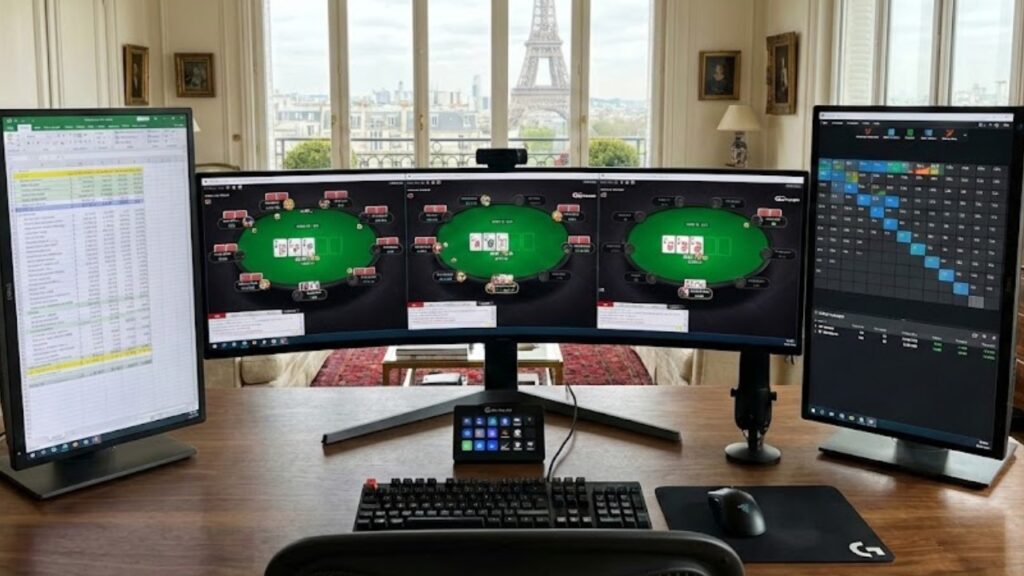
Ask many people to think of gambling, and they’ll probably think one of two things – the glamour or the risk of failure. It’s either someone gambling penny slots for hours, or its a high-limit, glamorous Las Vegas or Monaco casino playing roulette or poker, and little in between. The reality is, life for the very few professional gamblers in the world can often be quite mundane and what other people might consider boring. Especially in the modern day, where a lot of gambling can and is done online.
This article will look at some of the misconceptions about what a professional gambler is, what kinds of gambling can become full time work and what a typical day for a pro player looks like. Plus, the long-term prospects and the very real risks of failure that make this lifestyle only suitable for a few hardy souls.
What a Professional Gambler Really Is – and Isn’t
A professional gambler is someone who makes the majority of their regular income from gambling. This excludes people who won big slot or lottery jackpots and now live off the interest or investments from the original win. There are various kinds of professional gamblers, but the main categories are:
- Poker players
- Sports bettors
- Event trading
- Making gambling content while playing
Most professional gamblers won’t be spending all day playing slots at jackpot city south africa casino. That is a perfectly fine entertainment choice of course, and you never know if you’ll hit a big jackpot win. Plus there’s bonuses and rewards too. Nevertheless, online slots are not the domain of most professionals (except for streamers).
Professional gamblers usually forgo slots as there is no element of skill – just luck and variance, with most people losing while a few win big. That’s fine if you’re risking what you can afford for entertainment and the chance of a jackpot. But in the case of a professional gambler it’s not a sustainable strategy.
A Typical Day is Hours of Work for Only a Few Wagers
A professional sports bettor will likely only place one or two very-well researched wagers a day. Sometimes none. Most of their time will be spent researching, analysing and waiting for good value bets to appear. If there are none that day, there might be no betting. However, during a busy tournament or end of the season, the schedule might be a lot busier. Either way, a professional sports bettor isn’t usually living a flashy and exciting lifestyle carrying bags of cash to retail sportsbooks – it’s more spreadsheets, data points and complex analytics.
A professional poker player might not play poker for days or weeks at a time until a big tournament or suitable cash game. But they think about the game and study it every single day. Poker pros often religiously go over old hands, or “spots” and study where they went wrong or might go better. When it is game time they might be playing for 40+ hours a week or more, and big live tournaments can go for three/four days of 10+ hours of play.
Online poker professionals usually play for hours every day, known as “grinding”, which can be an exhausting process. Even professionals in poker can lose to a recreational player getting lucky, so most pros have to play many tournaments or tables per day to ensure their advanced skills win out in the long run over thousands of hands.
The Professional Approach – Mental and Physical Performance
To be a full-time career gambler you need to have a certain mental fortitude that most simply don’t have. Variance is real, so losing runs are guaranteed to happen at some point. Ask any poker pro, and they will tell you they’ve had losing weeks, months or even years.
A professional knows how to detect and avoid tilt, or losses leading to negative emotions effecting gameplay decisions. They also know when to quit, and how to keep their day-to-day bankroll separate from gambling funds. A professional will not chase losses if their having a bad day.
Keeping this mindset also requires taking care of yourself physically and emotionally. Gone are the days of the best poker professionals being whiskey drinking, cigar smoking old men. Most professional gamblers know to keep themselves mentally and physically sharp, to achieve peak concentration and flow during hours of deep research and/or gameplay.
Few Professional Gamblers Make it their Sole Career
There are very few professional gamblers (detailed stats are hard to come by, but a likely ballpark figure would be between 250,000 and one million people worldwide). There are even fewer who manage to maintain the career for a long time.
Most either have a big downswing and quit for a less risky career, or have a huge lucky period and make enough money to live off investments and interest for the rest of their life. Selling courses, founding syndicates or making gambling content are just a few ways professional gamblers supplement or even alternate their income. Gambling sponsorships can pay good money, as can people who want to learn from your advanced betting skills – and both involve less risk than actually gambling yourself.