Most elderly people are concerned about what might happen if an emergency occurs when nobody is present. A sudden fall, confusion, or even a health problem can result in the inability to seek help quickly, particularly when time is of the essence. Meanwhile, the family members often feel concerned when they cannot remain close during the day or check in at all times. Such conditions may cause stress and decrease confidence in everyday life.
Because of this, medical alert devices are designed to offer quick support when it is needed the most. They assist in connecting users to emergency assistance and offer safety features that can be used both at home and outdoors.
The following article breaks down the key features of these devices to give you a clear understanding of how they enhance safety and emergency response.
1. 24/7 Emergency Monitoring for Immediate Assistance
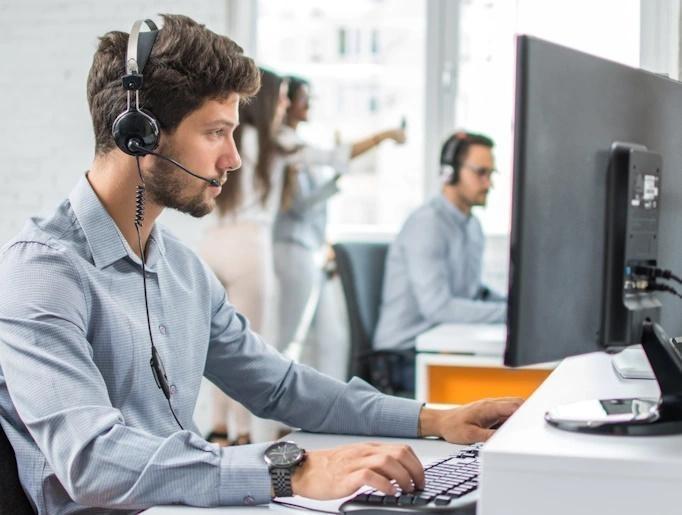 Most medical alert systems support emergency monitoring day and night, and users can reach help whenever they need it. For example, Life Assure medical alert devices let users talk to trained operators at any time, day or night. This makes users feel secure as they are assured of help whenever they require it.
Once a person presses the emergency button, a message is promptly transmitted to the monitoring center. The trained operator responds immediately, speaks to the user, and comprehends what is happening. The operator can dial emergency services or family members. This prompt action helps individuals receive assistance more readily in the event of an accident or medical emergency.
Furthermore, full-time support also helps older adults feel safer living at home on their own. It makes the family members less concerned since trained professionals are always available to assist. This gives everyone peace of mind and helps users live more comfortably and safely.
2. Automatic Fall Detection for Added Safety
Falls are one of the most common safety concerns among older adults, especially when they live alone. In other situations, a person may be too weak or injured after a fall and be unable to press the emergency button. This is why numerous medical alert devices include built-in automatic fall detection to provide greater safety and faster emergency response.
This feature has built-in sensors that can detect sudden movements related to serious falls. After a fall has been detected, the device automatically alerts the monitoring center without the user pressing anything. As a result, family members or emergency responders can be contacted promptly in case of an emergency requiring urgent help.
Moreover, automatic fall detection provides users and caregivers with greater confidence during the day. People can move freely at home because the system responds to unexpected accidents, ensuring safer, more independent living every day.
3. GPS Tracking to Support Active and Independent Lifestyles
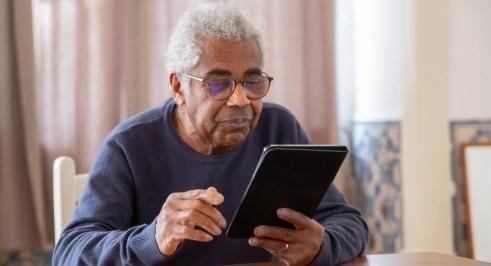 Many older adults stay active by walking outside, shopping, visiting friends, or traveling during the week. For this reason, modern medical alert devices usually have GPS tracking to facilitate active and independent living. This feature helps emergency teams or relatives locate the user promptly in case of an emergency outside the house.
When a person feels dizzy or lost, or has a medical problem, GPS technology can provide their precise location within a few seconds. As a result, emergency responders can arrive faster and aid without delays. This is particularly beneficial for the elderly, who often remain outside the home alone.
Moreover, GPS tracking enables users to be free while remaining in touch with emergency support services. The family members are also more comfortable when they know that location assistance can be provided if a problem arises outside. Thus, this allows the elderly to keep up with everyday activities with comfort and security.
4. Two-Way Communication for Fast Emergency Response
Communication is essential during an emergency because responders must receive precise information as quickly as possible. This is why most medical alert devices are equipped with two-way communication to enable quick responses to emergencies in difficult situations. This capability enables users to talk directly to trained operators by pressing the help button.
During the call, the operator can ask questions and understand what help the person needs immediately. Also, the user can explain symptoms, injuries, or other important details about the emergency. Because of such direct communication, emergency services are more effective and deliver the appropriate support in a shorter period.
In addition, a call to a live operator usually makes the user feel more relaxed when under pressure. Family members also appreciate knowing communication remains possible even if they are not nearby during the emergency. This feature enhances the speed of response and overall safety of many senior citizens.
5. Water-Resistant Design for Protection Around the Clock
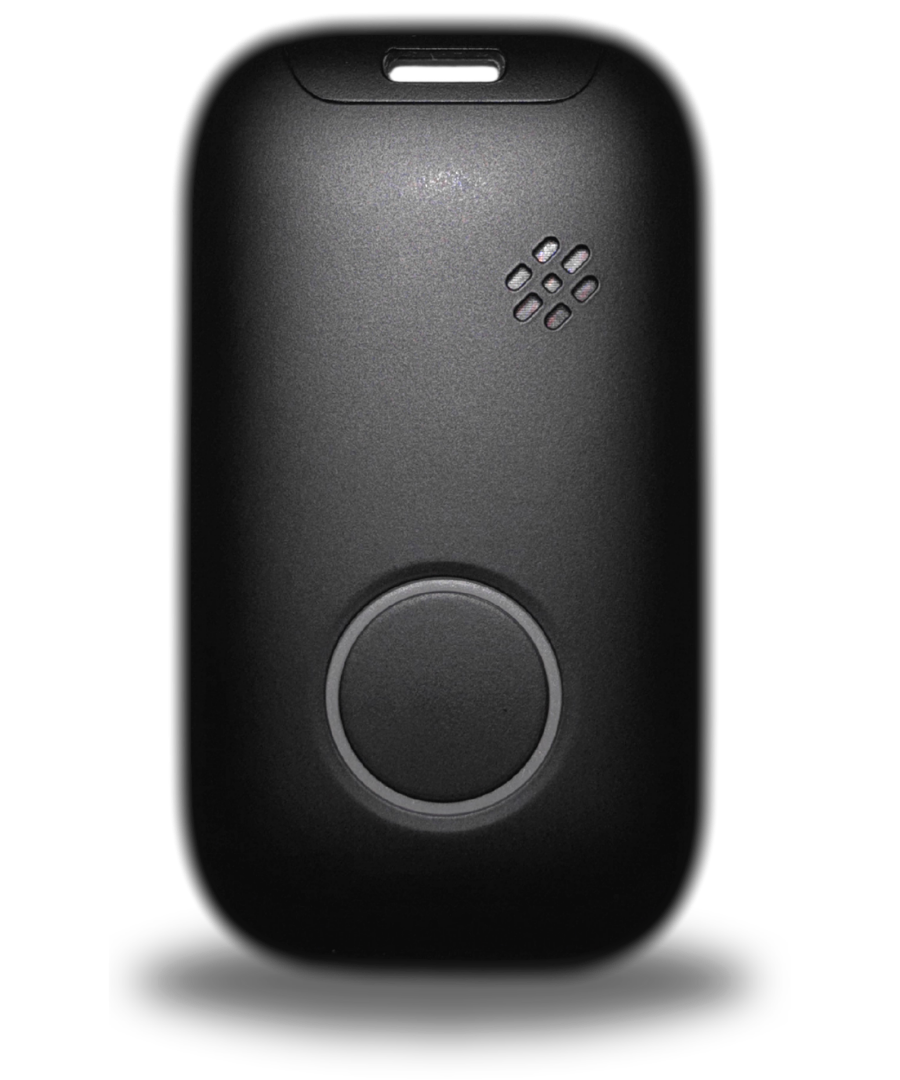 Most accidents occur in areas with water, such as bathrooms, kitchens, and the outside of the home. Due to this danger, medical alert watches are commonly designed to be water-resistant to protect the gadget even during the day as they go about their daily routine. This feature allows users to wear the device safely near water without damaging it.
Bathrooms are particularly dangerous as wet floors pose the risk of falling or slipping at any moment. As the device can be worn in the shower or during other washing processes, the user can still contact the emergency support in case of an accident. Therefore, individuals remain safe even when they are at risk at a time of day when falls are more frequent.
In addition, water-resistant designs make medical alert devices easier to wear throughout the day. Users are not required to frequently remove the device, which assists in constant protection and prompt access to support. This aspect enhances convenience and safety in the normal daily activities.
Final Thoughts
Medical alert devices play an important role in supporting safety during everyday life. They are designed to respond quickly when help is needed and reduce delays during unexpected situations. With these systems, users can feel more supported while managing daily activities both at home and outside.
These features help create a safer environment for independent living. By improving response time and access to help, medical alert devices offer practical support that fits different lifestyles and changing health needs over time.