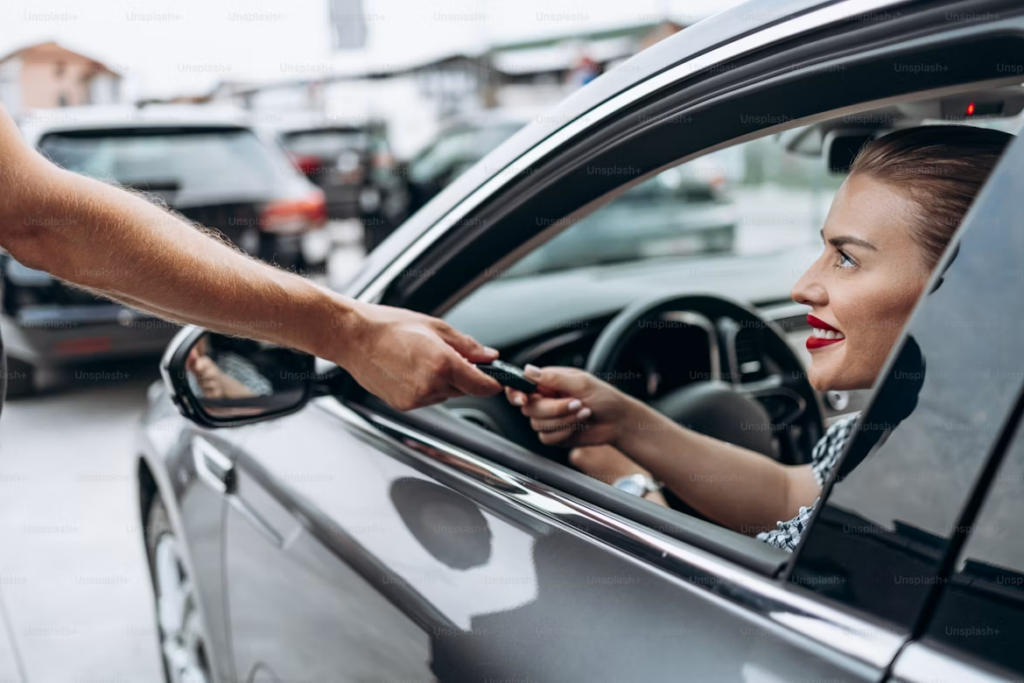
Most people don’t think of insurance as a personality test. But stand at a rental car counter for long enough, and you’ll notice something. Some travelers wave off every add-on without reading a word. Others buy every option available, just in case. Neither group is wrong, but the choice they make says a lot about how they think about risk, not just how they talk about it.
Car rental insurance decisions happen fast, usually in under two minutes, at a counter, with an agent waiting. There’s no time to consult a spreadsheet or think through edge cases. So, whatever a traveler decides ends up being a decent stand-in for how they handle uncertainty, not how they’d describe handling it if you asked them directly.
Here’s what those instincts actually expose.
1. It Shows How People Weigh Small, Certain Costs Against Rare, Expensive Ones
Rental insurance is a textbook example of a decision between a small guaranteed loss and a small chance of a large one. Paying $15 to $30 a day feels annoying when nothing goes wrong, which is most of the time. But the people who consistently decline coverage tend to be the same people who underestimate low-probability, high-impact events elsewhere in their lives, whether that’s skipping a home inspection or letting a health issue go unchecked. The rental counter just makes the pattern visible in real time.
2. It Reveals How Much People Actually Trust Their Existing Coverage
A lot of declined coverage isn’t really about the risk of tolerance. It’s about assumptions. Many travelers believe their personal auto policy or credit card automatically covers rental cars, without ever confirming the details. Credit card rental coverage, in particular, often excludes certain vehicle types, countries, or rental durations. The people who ask questions before declining coverage are demonstrating something different from the people who decline out of habit: they’re distinguishing between confirmed protection and assumed protection, which is a meaningfully different skill.
3. It Exposes Assumptions About Geography and Driving Conditions
Someone renting a car in a familiar city, in daylight, on roads they’ve driven before, faces a different actual risk profile than someone renting in unfamiliar terrain, during winter, or in a country with different traffic norms. Yet a lot of travelers apply the same insurance decision everywhere, regardless of context. Adjusting coverage based on actual conditions, rather than defaulting to whatever you did last time, is one of the clearer signs that someone is evaluating real risk instead of running on autopilot.
4. Deductible Choices Show How People Handle Uncertainty They Can’t Fully Predict
Higher deductibles lower the daily cost of coverage but raise the amount owed if something goes wrong. People who choose a higher deductible are usually betting on their own driving and a bit of luck. That’s a reasonable bet for a short local trip. It’s a riskier one for a week-long road trip through unfamiliar roads or during a season with more accidents on record, since deductible math only works out if the bad outcome stays rare.
This is where planning ahead matters more than most people expect, especially for longer trips where the odds of something going wrong increase simply because there’s more driving involved. For anyone mapping out a longer road trip, it’s worth taking the time to find car rental insurance plans on MoneySmart, particularly if the trip falls during Singapore’s year-end travel season, when road trip volume and rental demand both climbs.
5. It Reflects How People Separate Liability from Property Damage
Liability coverage protects other people and their property if you cause an accident. Collision coverage protects the rental car itself. These are two different kinds of risk and conflating them is common. Travelers who understand the difference tend to make more deliberate choices, sometimes accepting the rental company’s collision coverage while relying on a personal auto policy or separate travel insurance for liability. That split isn’t just administrative. It reflects an understanding that not all financial exposure is the same size or shape.
6. It Shows Whether Someone Plans for the Trip They’re Actually Taking, Not the Trip They Imagine
The clearest signal comes from travelers who think about the specific trip in front of them: the route, the vehicle type, the length of the rental, and who else might be driving. That’s a different mindset from grabbing whatever coverage feels like default. Frequent business travelers, for instance, often develop sharper instincts here simply because they rent more often and have more data points to draw from. Reviewing the travel insurance benefits worth prioritizing on business trips is a useful exercise even for occasional renters, since it forces the same kind of specific, trip-by-trip thinking.

None of this means everyone should buy every add-on at the counter, or that declining coverage is automatically a mistake. The Insurance Information Institute notes that rental car damage waivers can be unnecessary for travelers who already have adequate coverage through a personal auto policy or a credit card, but only when that coverage is confirmed rather than assumed. That distinction, confirmed versus assumed, is really the whole story. The insurance choice itself is almost incidental. What it exposes is how carefully someone thought about the specific risk in front of them, and whether they treated a two-minute decision at a rental counter as seriously as it sometimes deserves to be treated.