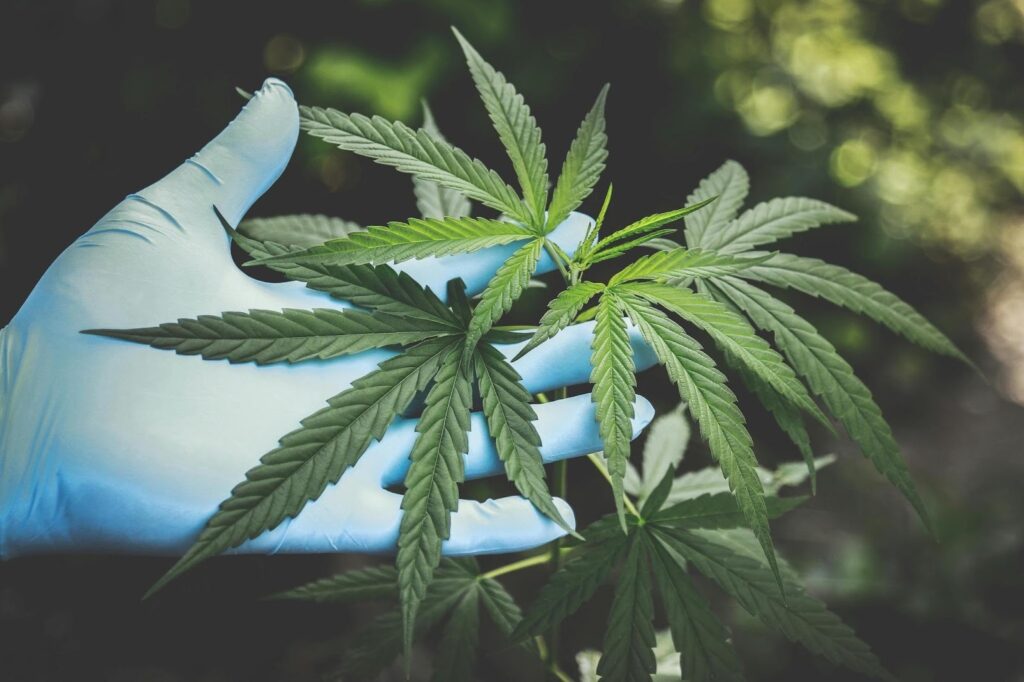
Medicinal cannabis has rapidly shifted from a niche topic to a major point of interest in chronic pain care. Patients and clinicians are exploring cannabis-based therapies as alternatives to standard pharmaceuticals, driven by emerging studies and the limitations of long-term pain treatment.
As accessibility improves and experiences accumulate, cannabis is becoming an increasingly relevant tool for people navigating persistent discomfort.
Why Chronic Pain Needs New Approaches
Chronic pain often spans years and resists conventional solutions. Many medications provide temporary relief but carry risks when used long term, including tolerance or side effects that can interfere with daily life.
This gap has encouraged a closer look at plant-based therapies. Cannabis offers versatility through multiple product formats, adjustable dosing, and the potential to target several mechanisms of pain.
Patients frequently seek options that better match their personal symptoms, schedules, and comfort levels. Some of the factors driving interest include flexibility in dosing and timing, and more control over symptom management.
These advantages support a broader shift toward individualized pain care, encouraging patients and providers to explore methods that fit diverse needs rather than relying on any single solution.
For those interested in research on the health effects of cannabis, a comprehensive report from the National Academies of Sciences, Engineering, and Medicine offers a detailed overview.
How Cannabis Interacts With the Body
Medicinal cannabis influences the endocannabinoid system, which helps regulate pain, inflammation, and overall balance. Compounds like THC and CBD engage receptors throughout the body, affecting how signals are interpreted and communicated.
THC is often linked with analgesic effects, while CBD is being studied for potential anti-inflammatory benefits. When combined, these compounds may work more effectively together than alone. This expands the range of therapeutic possibilities without requiring complex treatment protocols.
A variety of delivery methods (such as tinctures, capsules, vaporizers, and topicals) allows patients to match onset times and duration with their symptom patterns. This adaptability is especially helpful for chronic conditions that fluctuate throughout the day.
Emerging Benefits for Long-Term Pain Management
Research and patient reports consistently point to several areas where medicinal cannabis may support chronic pain care.
Reduced reliance on high-dose medications
Some individuals use cannabis to lower the amount of other pain medications they take. This may help reduce long-term risks and broaden the therapeutic options available to them.
Improvements in daily comfort
Users often describe better sleep, less muscle tension, and an easier time completing routine tasks. These functional gains frequently influence quality of life more than changes on pain scales.
More personalized care options
Cannabis supports a highly adjustable approach. Patients can start with small amounts, refine their dose, and select products that match their preferences. This level of customization reflects a broader trend toward patient-directed pain management.
Expanding Access to Medicinal Cannabis
As medicinal cannabis becomes more widely integrated into pain care, access to reliable, well-regulated retailers like SWED a Snoop Dogg dispensary has become increasingly important. Dispensaries give patients the opportunity to learn about available products, compare strengths, and ask practical questions in an environment focused on safety and compliance.
Some dispensaries also prioritize clear information and knowledgeable guidance to help individuals feel more confident in their decisions. While these retail settings aren’t substitutes for professional healthcare advice, they do provide valuable support for those exploring cannabis as part of a long-term pain management strategy.
Key Considerations for Patients and Clinicians
Medicinal cannabis is most effective when approached systematically. Before integrating it into a treatment plan, several practical factors should be reviewed.
Dosing generally begins low and increases intentionally to identify the minimum effective amount. Because responses vary widely, this method helps limit unwanted effects while maximizing potential benefits.
Product selection also plays a crucial role. THC-to-CBD ratios, potency, and delivery method all influence results. Reliable labeling and trustworthy sourcing make it easier to choose items aligned with personal goals.
Long-term monitoring allows clinicians and patients to evaluate progress and adjust strategies. This helps ensure cannabis remains one component of a coordinated, outcome-driven plan.
Lifestyle fit is another consideration. Some products act quickly for short-term flare-ups, while others offer longer relief. Aligning these characteristics with daily routines can improve effectiveness.
Where Research Is Heading Next
Interest in cannabis-based medicine is encouraging more exploration into how different components of the plant may support people living with chronic pain. Much of the work happening now focuses on gaining a clearer picture of how cannabis might help with a range of conditions, from persistent nerve pain to inflammation-driven discomfort.
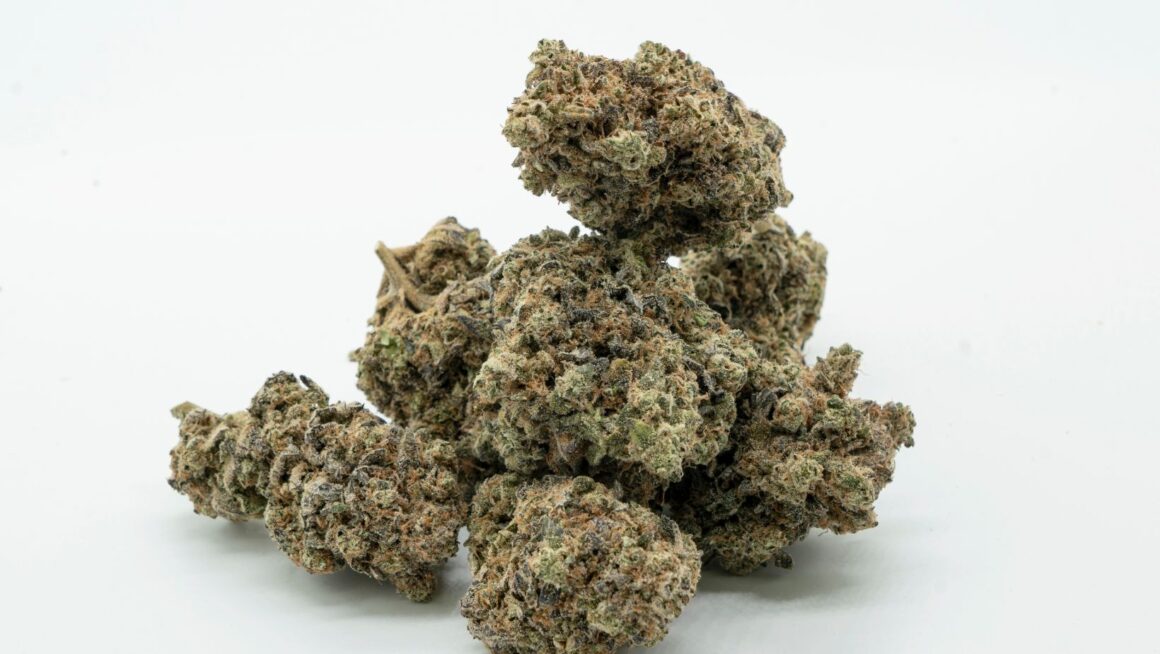
As regulations shift, it’s becoming easier for researchers to observe how people use cannabis in everyday settings rather than only in controlled studies. This broader perspective may eventually help shape more practical guidance for both patients and healthcare providers.
There’s also growing curiosity about how various cannabinoids interact with the body over time, especially for those who rely on pain management strategies day in and day out. Although many questions remain, the expanding interest is steadily pushing the field toward a deeper, more nuanced understanding of cannabis as part of long-term pain care.
A Path Forward With Expanded Options
The transformation underway in chronic pain treatment stems from integrating established medical practices with new botanical tools. Medicinal cannabis stands out for its adaptability and potential to meet diverse patient needs. As research advances and healthcare systems adjust, its role in daily pain care will likely continue to grow.
As interest broadens, the conversation around chronic pain is gradually shifting from a narrow set of traditional treatments to a more flexible set of possibilities. Cannabis is becoming part of this evolution, offering patients another avenue to explore when seeking long-term relief.
While it will never be the sole answer for everyone, its expanding presence reflects a wider movement toward personalized, multi-layered pain strategies that acknowledge the complexity of chronic conditions.