David Morey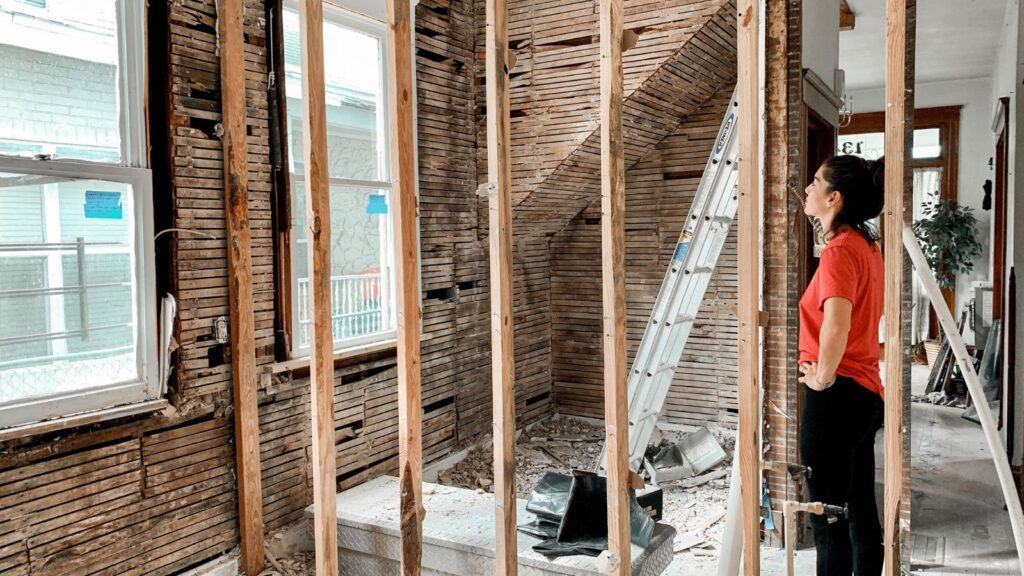
1. Why Renovations Can Influence Time on Market
Homes with recent renovations often attract more buyer attention because they signal care, functionality, and reduced near-term maintenance. Buyers tend to favor properties that appear move-in ready, especially in markets where inventory is scarce and competition is intense. Industry research on renovation timelines reveals that improvements, when planned well, can enhance comfort and value; however, they also require realistic expectations regarding cost, timing, and execution. A well-renovated home doesn’t just look better; it often reduces buyer hesitation, which can translate into fewer days on market.
2. Renovations That Typically Help Homes Sell Faster
Not all renovations have the same impact on selling speed. Updates considered “best bang for the buck,” such as kitchen and bathroom upgrades, refreshed flooring, and energy-efficient windows, tend to appeal to the widest range of buyers. These projects often deliver high perceived value without feeling overly personalized. Cosmetic updates, such as painting, fixtures, and landscaping, can also shorten listing time by improving first impressions with relatively short timelines, sometimes just a few weeks. Buyers respond positively to neutral, functional upgrades that allow them to imagine living in the space without immediate work.
3. When Renovations Don’t Reduce Listing Time
Some renovations, particularly passion projects like pools, home theaters, or highly customized rooms, may not significantly reduce time on market. While they can add enjoyment for the owner, they often appeal to a narrower buyer pool and may not deliver strong returns. Large-scale or unfinished renovations can even slow sales if buyers perceive risk, delays, or unknown costs. Whole-home remodels often take months to complete and may introduce uncertainty if timelines are stretched or unexpected issues arise, such as structural surprises or permit delays.
4. Market Conditions, Pricing, and Renovation Quality
Renovations don’t operate in a vacuum. Broader market conditions play a major role in how quickly a renovated home sells. Recent housing market insights suggest that while buyer confidence is improving and time on market has modestly decreased, buyers remain price-sensitive and cautious. Overpricing a renovated home can erase the benefits of upgrades, while poor workmanship or rushed finishes can raise red flags. High-quality execution, accurate pricing, and alignment with local buyer preferences are critical for renovations to positively impact marketability.
5. Strategic Planning Before You Renovate to Sell
Before committing to renovations, sellers should carefully evaluate timelines, budgets, and market dynamics. Planning phases alone can take months, especially for kitchens or whole-home projects, while procurement and construction add additional time. In some cases, it may make sense to “buy before you sell“ to avoid living through an extended construction period. Working with an experienced professional who understands trends in days on market and buyer behavior can help determine which updates are worthwhile to pursue. Knowing how to find a realtor with strong local results and renovation experience can be the difference between a faster sale and a stalled listing, as the right guidance helps sellers focus on improvements that truly make a difference.
Conclusion: Renovate With the End Buyer in Mind
Renovations can help homes sell faster, but only when they align with buyer expectations, market conditions, and realistic pricing. Functional, neutral updates tend to reduce hesitation and shorten time on market, while overly personal or unfinished projects can slow momentum. Understanding renovation timelines, quality standards, and local demand is essential before investing time and money into upgrades. Ultimately, sellers who plan strategically, price accurately, and lean on expert guidance are best positioned to turn renovations into a smoother, faster sale rather than an extended listing.