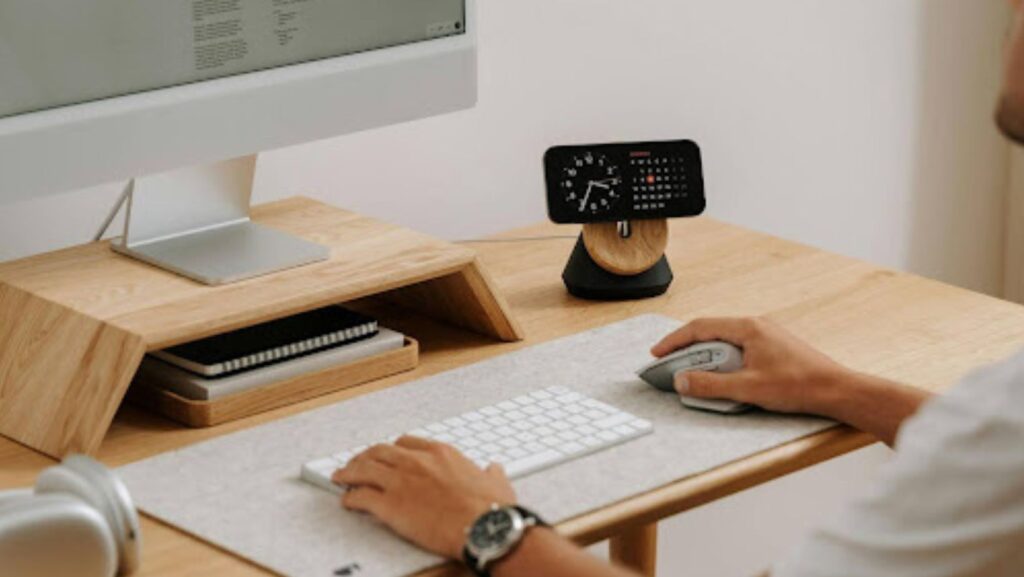
Clutter kills your grades. Research with college‑age participants shows that those working in a neat, orderly workspace persisted significantly longer on a frustrating, unsolvable task than those in a cluttered workspace, suggesting that tidiness supports persistence during focused, goal‑directed work [1], according to an article cited at the Harvard Business Review.
A minimalist study space reduces stress, improves focus, and helps you retain information. Clear your desk, keep only what you need, and watch your productivity jump. It’s not about empty rooms; it’s about removing distractions.
Why Minimalist Living Matters for Student Productivity
Your messy desk sabotages your study sessions. Every stray paper and random charger pulls your attention away.
Visual clutter changes how your brain processes information. A study of women in dual‑income suburban households found that those who perceived their homes as cluttered showed less favorable daily cortisol patterns (a hormone linked to stress) compared with those who viewed their homes as less cluttered, suggesting that chaotic domestic environments can heighten physiological stress over the course of the day [2].
Your environment shouldn’t add more stress.
What Minimalist Living Really Means for Students
Minimalism means being intentional about what you keep. Every item should help you study, relax, or maintain your health. If it doesn’t serve a purpose, it’s taking up needed space.
How Your Study Environment Impacts Focus and Learning
Visual noise creates mental fatigue. Researchers found that when too much stuff fills your field of view, people have measurably more difficulty being productive. For students looking to optimize their living situation, finding the right rental space that allows for a minimalist setup can make a significant difference.
When you sit down to study, your brain sees everything in your visual field. That stack of laundry? An incomplete task. Those wall posters? Visual noise. Many students searching for suitable student accommodations find that the physical setup directly impacts their academic performance.
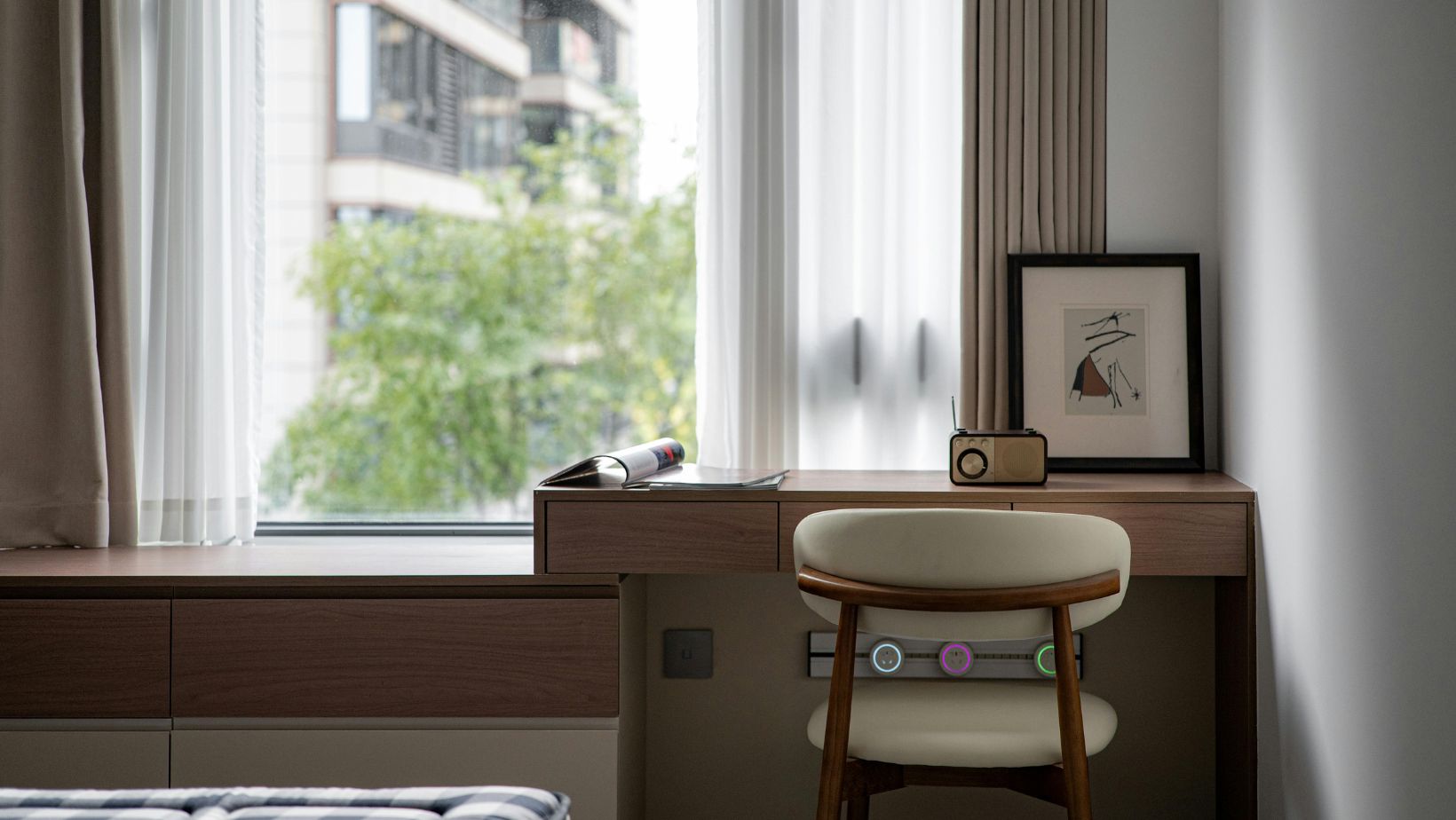
This leads to decision fatigue. Every item on your desk uses brain energy deciding what to ignore. Students who study in neat, organized environments tend to focus more effectively and persist longer on tasks than those in cluttered or disorganized spaces, reflecting evidence that orderly surroundings support better concentration and reduce mental distraction.
The condition of your living space matters. Whether you’re renting a dorm or browsing student housing options, the organization of your space will affect your grades and mental health.
Purpose‑built student housing options, such as https://rentencoreud.ca/, can help create a calm, structured environment that supports focused study.
Cluttered vs. Minimalist Study Environments
| Aspect | Cluttered Environment | Minimalist Environment |
| Visual Noise | Excessive items in view cause distraction and overwhelm. | Only essential tools and surfaces remain visible. |
| Focus | Frequent interruptions make deep work difficult. | Fewer distractions support sustained attention. |
| Emotional State | Higher perceived stress and anxiety. | Calmer mood and reduced cortisol‑linked stress. |
| Task Persistence | Shorter attention spans and frequent breaks. | Longer, more consistent study sessions. |
| Daily Habit | Harder to start or restart work due to disarray. | Easy, low‑friction routines for beginning and ending study. |
Core Principles of a Productive Minimalist Study Space
- Purpose First, Aesthetic Second: Your study space needs to work before it looks good. Function beats Instagram-worthy.
- Fewer Items, Clearer Thinking: Keep only what you use regularly. If you haven’t touched something in two weeks, store it or donate it.
- Everything Has a Place: When items have designated spots, you don’t waste mental energy. Your charger lives in one drawer. Your pens are in one cup.
- Easy to Reset, Easy to Start: Your space should take less than five minutes to reset. If cleanup feels overwhelming, you have too much out.
Minimalist Study Space Setup: Practical Changes That Work
- Create one dedicated study zone. Don’t study on your bed.
- Simplify your desk. Keep only your laptop, one notebook, and one pen visible.
- Reduce visual distractions by removing excess wall decorations.
- Use natural light when possible.
- Choose storage that hides clutter.
Pro tip: Spend at least five minutes each night resetting your space. Prepare your space the night before study sessions. Study with only task-relevant materials.
Minimalism, Mental Health, and Student Well-Being
Cluttered spaces increase anxiety measurably. People in cluttered environments have higher levels of stress hormones.
A calm space helps you sleep better. Your brain sees clutter as unfinished business, making it harder to relax. Better sleep means better focus.
During finals, having control over your environment matters. You can’t control exam schedules, but you can control whether your room adds stress or reduces it.
Balancing Minimalism With Personality and Comfort
Your space should feel human, not sterile. Keep a few meaningful items. Use texture and lighting to add warmth without clutter.
Limited space is an advantage. You’re forced to be selective. Look for multi-functional furniture and smart storage solutions.
Final Thoughts: Designing a Space That Helps You Succeed
Your productivity depends on far more than willpower. The spaces you live and study in quietly shape your habits, either supporting your goals or quietly working against them every single day. Minimalist living offers students a long‑term advantage by reducing distractions, cutting decision fatigue at the start of each study session, and creating a calmer mental backdrop for deep work.
Over time, those small reductions in clutter and visual noise add up to longer focus spells, fewer procrastination cycles, and a greater sense of control over your day. Start small; clear your desk today, then one area at a time, and watch how a slightly simpler environment helps you study more steadily and recover more fully between sessions.