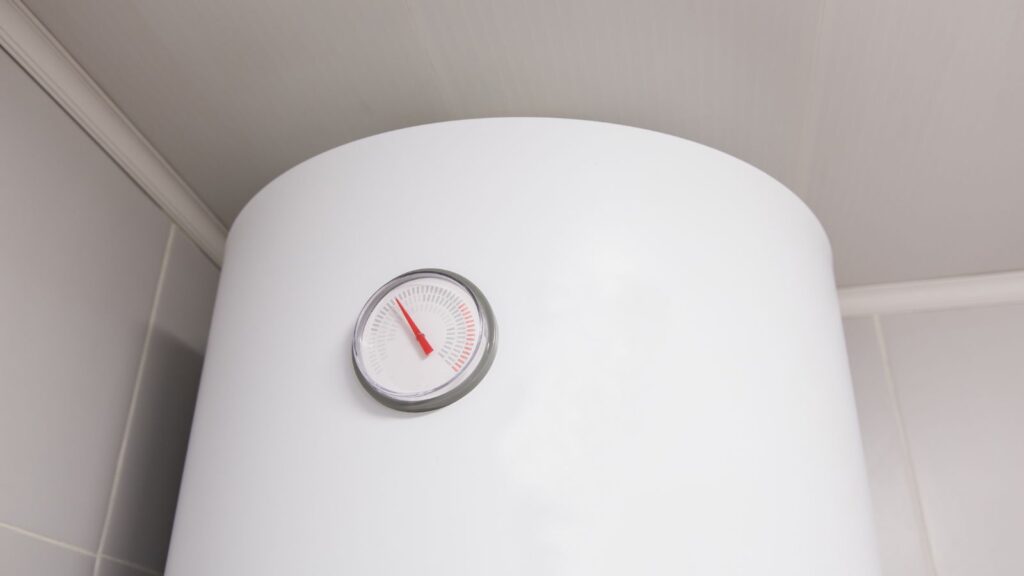
A water heater is one of those essential home appliances that often goes unnoticed—until something goes wrong. Whether you’re dealing with cold showers, strange noises, or inconsistent water temperatures, understanding common water heater issues can save you time, stress, and money. Knowing when to fix a problem yourself and when to seek professional help is key to maintaining comfort in your home.
In this comprehensive guide, we’ll explore the most common water heater repairs and how to handle them effectively.
Understanding How Your Water Heater Works
Before diving into repairs, it helps to understand the basics. Most households use either tank-based water heaters or tankless systems. Traditional tank heaters store hot water, while tankless units heat water on demand. Both systems have their own components and potential issues, but many repair concepts overlap.
Key components include:
- Heating elements or burners
- Thermostat
- Pressure relief valve
- Anode rod
- Tank (for storage heaters)
When one of these parts fails, it can disrupt the entire system.
1. No Hot Water
Possible Causes:
- Faulty heating element (electric heaters)
- Broken gas burner or pilot light (gas heaters)
- Tripped circuit breaker
- Thermostat malfunction
How to Handle It:
Start with the basics. Check if the circuit breaker has tripped or if the pilot light is out. For electric heaters, resetting the thermostat might restore functionality. If these quick fixes don’t work, the heating element may need replacement—a task that often requires professional assistance.
2. Inconsistent Water Temperature
Possible Causes:
- Sediment buildup in the tank
- Faulty thermostat
- Damaged dip tube
How to Handle It:
Flushing the tank can often resolve temperature inconsistencies caused by sediment buildup. This process removes mineral deposits that interfere with heating efficiency. If the issue persists, inspect the thermostat or dip tube, which may require replacement.
3. Strange Noises from the Tank
Possible Causes:
- Sediment accumulation at the bottom of the tank
- Expansion and contraction of metal parts
How to Handle It:
Popping or rumbling sounds usually indicate hardened sediment. Flushing the tank is the most effective solution. Regular maintenance can prevent this issue from recurring.
4. Water Leaks
Possible Causes:
- Loose connections
- Corroded tank
- Faulty pressure relief valve
How to Handle It:
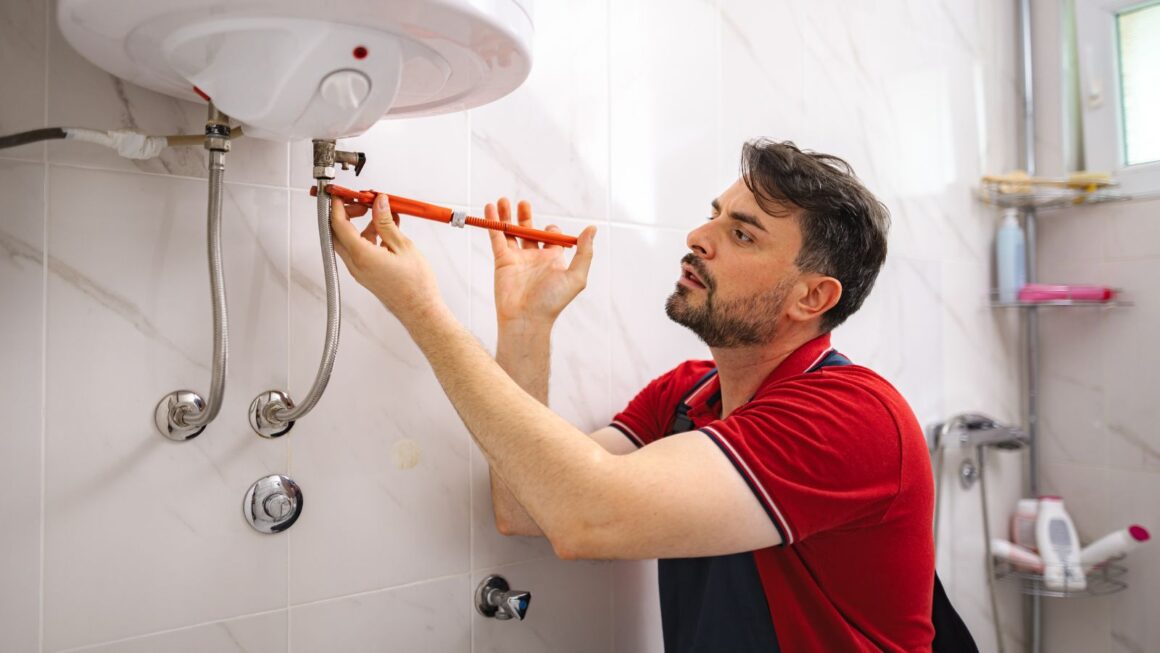
First, identify the source of the leak. Tighten any loose fittings and inspect valves. If the tank itself is leaking, replacement is often the only option. Leaks should never be ignored, as they can lead to water damage and mold growth.
5. Discolored or Rusty Water
Possible Causes:
- Corroded anode rod
- Rust inside the tank
- Pipe corrosion
How to Handle It:
If only hot water is discolored, the issue likely lies within the water heater. Replacing the anode rod can extend the life of your tank and improve water quality. However, if rust is widespread, a new unit may be necessary.
6. Low Hot Water Pressure
Possible Causes:
- Mineral buildup in pipes
- Sediment clogging
- Partially closed valves
How to Handle It:
Check valves to ensure they are fully open. If the issue persists, flushing the system or cleaning the pipes may restore proper pressure. In severe cases, professional descaling may be required.
7. Foul-Smelling Water
Possible Causes:
- Bacteria growth inside the tank
- Reaction between anode rod and water minerals
How to Handle It:
Flushing the tank and disinfecting it with a hydrogen peroxide solution can eliminate bacteria. Replacing the anode rod with a different material may also solve the issue.
8. Pilot Light Won’t Stay Lit (Gas Heaters)
Possible Causes:
- Faulty thermocouple
- Gas supply issues
- Dirty pilot tube
How to Handle It:
Clean the pilot tube and check the thermocouple. If the thermocouple is damaged, replacing it is usually straightforward. Persistent issues may require a technician to inspect the gas supply.
When to Call a Professional
While some water heater issues can be handled with basic tools and knowledge, others require expert intervention. Complex problems like gas line issues, electrical faults, or tank replacement should always be handled by a licensed technician.
If you’re unsure or the repair seems risky, it’s best to seek professional help. Services like Paramus Water Heater Repair can provide expert diagnosis and safe, efficient solutions.
Preventative Maintenance Tips
To reduce the likelihood of repairs, regular maintenance is essential:
- Flush the tank annually
- Inspect the anode rod every 1–2 years
- Test the pressure relief valve
- Check for leaks or corrosion
- Set the thermostat to a safe temperature (around 120°F)
Routine care not only extends the lifespan of your water heater but also ensures optimal performance.
Final Thoughts
Water heater problems are common, but they don’t have to be overwhelming. By understanding the causes and solutions for typical issues, you can take proactive steps to maintain your system and avoid costly repairs. Whether it’s a simple fix like resetting a thermostat or a more complex repair requiring professional assistance, timely action is key.
Keeping your water heater in top condition ensures consistent comfort and efficiency in your home—something every homeowner can appreciate.