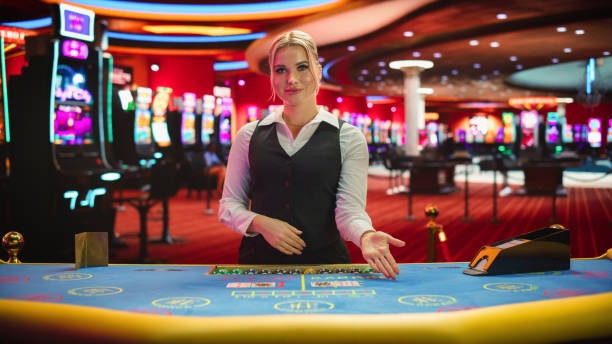
Live dealer gaming originally promised something simple: you could sit at a digital blackjack or roulette table, interact with a real dealer, then enjoy the atmosphere of a casino from your own living room. Over time, though, the experience changed dramatically as online platforms introduced session histories, loyalty systems, streak trackers and endless streams of performance data surrounding almost every interaction.
If you play live casino games today, you likely notice how difficult it feels to escape constant measurement during even the most casual sessions.
In 2025, regulated U.S. online casino revenue climbed to more than $10.7 billion, with industry analysts describing live dealer gaming as one of the fastest-growing segments within the wider American iGaming market. Recent industry reports showed strong growth across regulated American online casino markets during 2026, particularly in mobile live dealer categories aimed at younger users seeking fast-paced entertainment with real-time interaction.
You can see that influence across nearly every major gambling app operating in the United States, where statistics often appear more prominently than the tables themselves. A roulette spin now arrives with outcome histories, betting trends and visual streak displays that quietly encourage players to keep analyzing what already happened.
Why Gambling Became Obsessed With Numbers
Casino operators collect huge amounts of behavioral data, so they can study how players react to promotions, table layouts, game speeds and reward systems across different sessions. If you play live casino products regularly, you probably noticed how platforms gradually personalize recommendations after repeated visits.
A blackjack table you enjoyed last week suddenly reappears on your homepage, while bonuses arrive connected directly to the types of games you already played before.
This wider obsession with tracking reflects broader American digital culture, where people constantly monitor spending habits, fitness goals, productivity targets, screen time and social activity across multiple apps every day. Gambling simply absorbed those same habits into casino gaming.
When you play live casino sessions now, the experience often feels tied directly to measurable activity patterns designed to increase engagement through constant informational feedback surrounding every decision you make during gameplay.
Why Streaks Feel Emotionally Convincing
Human beings naturally search for patterns inside uncertain situations, which explains why streaks carry such a strong psychological influence across gambling culture. A roulette table landing on black several times consecutively immediately captures attention, even though every spin still operates independently according to basic probability principles.
If you play live casino games frequently, you probably have experienced moments where repeating outcomes started feeling emotionally meaningful despite knowing the mathematics behind the game never actually changed.
Live dealer platforms intensify that emotional response through visual interfaces showing previous outcomes directly beside active tables throughout gameplay. Your brain quietly starts turning randomness into narrative, particularly once other players join the conversation through live chat systems, discussing hot tables, lucky seats and supposedly predictable trends forming across recent results.
Ultimately, those interactions create emotional momentum that keeps many players engaged far longer than they originally intended when opening the app earlier that evening.
Could Players Accept A Simpler Experience?
A stripped-back casino platform without streak trackers, loyalty ladders, achievement systems or session summaries would probably feel unfamiliar to many modern players. Imagine opening an app where you simply join a table, place bets, interact with the dealer, then leave once the session naturally concludes.
If you play live casino products often, that quieter experience could initially seem almost empty due to how heavily modern gambling systems rely on constant informational stimulation surrounding every stage of gameplay.
At the same time, growing numbers of people already feel exhausted from endless self-quantification across everyday life. Work platforms track productivity, fitness apps monitor movement and social media systems measure engagement through likes, reactions, followers and algorithmic visibility scores.
Some online gambling communities recently criticized casino apps overloaded with mission systems, reward prompts and nonstop notifications encouraging continued participation. You can already sense frustration building among players who simply want entertainment without feeling constantly analyzed afterwards.
The Future Of Live Dealer Gaming
Completely removing statistics from gambling would never make sense, as probability always sits at the center of casino games like blackjack, baccarat and roulette. Still, there is a major difference between understanding odds mathematically and turning every session into a personal analytics project built around streaks, performance timelines and behavioral tracking systems.
When you play live casino games through highly optimized mobile platforms, the experience can slowly start feeling more like monitored activity than spontaneous entertainment shared between players around a table.
The American online casino industry continues growing quickly, particularly among younger mobile-first audiences drawn toward interactive gaming experiences with real dealers and real-time conversation. Even so, rapid growth does not automatically mean players want deeper quantification attached to every session forever.
Many people already spend most of their professional lives surrounded by dashboards, rankings, targets and performance metrics. Undoubtedly, a casino once represented a temporary escape from those pressures, which raises an uncomfortable question for the future of gambling culture itself.