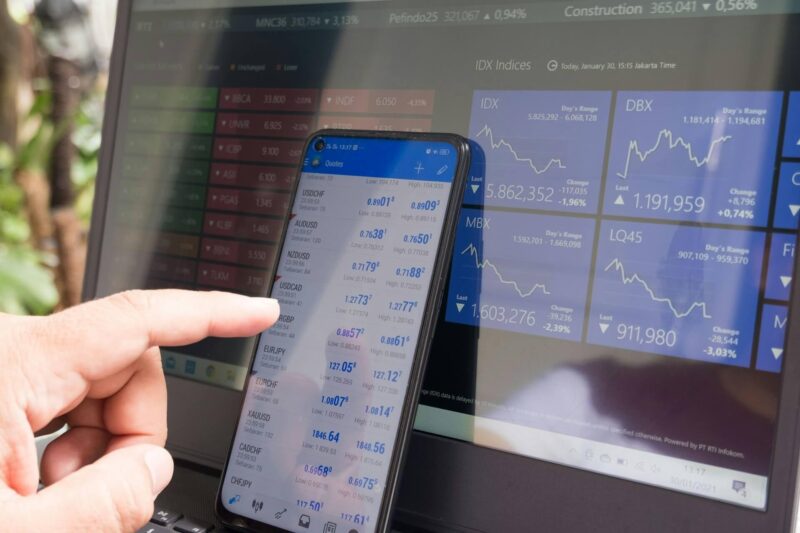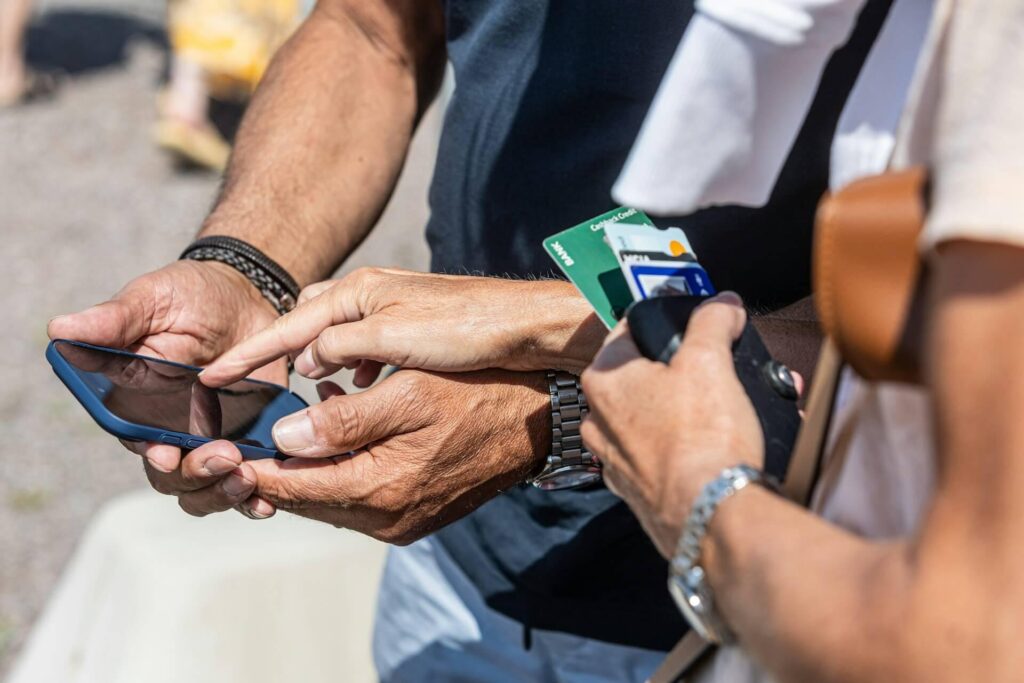
For years, most people had one obvious place to manage their money: the bank.
Your salary went there. Bills came out of it. If you wanted to pay someone, you used a card or made a bank transfer. Digital wallets have changed that routine.
People now use separate financial services for specific jobs. One might hold money for online purchases. Another might make international payments easier. Some offer virtual cards, while others let users move money without handing over their main bank details.
That does not mean banks have become less important. It means people no longer expect one account to do everything.
The Wallet Became a Tool, Not Just a Place to Store Money
The biggest change is simple: people now choose financial tools based on the job they need to do.
Someone buying products online might prefer a wallet because the payment takes a few clicks. A freelancer working with overseas clients might use one to receive money in a different currency. Someone traveling could use a wallet to separate spending money from their main account.
The appeal is not necessarily about replacing a bank. It is about adding another layer between the person and the transaction.
That distinction becomes clearer in industries where online payments are especially important. People researching casinos using Jeton payments, for instance, may encounter Casino Banking Methods that include digital wallets alongside cards and bank transfers. The wallet becomes another way to move money without making the person’s main bank account the center of every transaction. The same basic idea now applies far beyond online gambling.
Some Payments Need Their Own Lane
Think about subscriptions. A person might have a streaming service, cloud storage, a gym membership and several software subscriptions charging them every month. Most of those payments can come directly from a bank card, but that does not always make them easy to manage. A separate wallet can create a clearer boundary.
Money set aside for online spending can sit apart from the account used for rent and household bills. If a subscription needs canceling, the payment history may also be easier to track in one place. This is a small change, but financial habits often develop around small conveniences.
People don’t necessarily adopt a new payment service because it offers a revolutionary feature. They use it because one annoying task becomes easier.
Freelancers Have a Different Problem
Digital wallets can make particular sense for people who work across borders. A freelancer may have clients in several countries, each using different banking systems. Traditional international transfers can involve fees, delays, and extra information that both sides have to provide. A digital wallet can simplify part of that process.
Consider a graphic designer in Spain working for a client in Canada. The designer may not want to open a Canadian bank account just to receive payments from one customer. A wallet that supports the relevant currencies can provide another route.
It does not remove every cost or exchange-rate issue. It can, however, reduce some of the friction around receiving money internationally.
For independent workers, that matters because getting paid is part of the job. A complicated payment process creates work without creating any additional value.
The Virtual Card Changed the Equation Again
Another reason wallets have become more useful is the rise of virtual cards. A virtual card can be created for online spending without requiring the user to hand over the details of their main physical card. Some services allow users to create additional cards for specific purposes or merchants.
That can make online spending easier to separate from everyday banking. It also gives consumers more control over where their payment details appear.
The idea is not completely new. Prepaid cards and separate spending accounts have existed for years. Digital wallets simply make the process easier to manage from a phone.
For someone who buys regularly from unfamiliar websites, that extra separation can be useful.
Convenience Still Has a Price
Digital wallets are not automatically better than banks. They can have their own fees, limits, verification requirements and restrictions. Moving money between a wallet and a bank account may also create an extra step.
There is another issue: people can lose track of where their money actually sits. A person with two bank accounts, three wallets and several payment cards may have more flexibility but less visibility. Small balances can sit untouched for months. Automatic payments can continue without much attention.
Convenience works best when it reduces complexity rather than hiding it. That is why the most useful wallet is often the one with a clear purpose.
Security Is Part of the Appeal
A digital wallet can act as a buffer between a merchant and a person’s primary bank account. Instead of entering bank or card details every time, the customer can authenticate the transaction through the wallet. That does not make fraud impossible. No payment system can offer that guarantee.
It can, however, change how much financial information a customer has to share with individual merchants.
The European Central Bank has also highlighted the growing role of digital payments in Europe and the need for secure, resilient payment systems as consumer habits change. Its work on the digital euro and the future of payments provides useful context for the wider transition away from cash and toward digital payment methods.
A Wallet Works Best When Its Job Is Clear
The mistake is assuming every financial service needs to replace another. A bank account can remain the place where income arrives and major bills are paid. A wallet can handle online purchases. A separate card can cover travel expenses. Another service might make international transfers easier. The combination can make more sense than forcing every transaction through one account.
Of course, that only works when people keep track of their accounts and understand the fees attached to them. Adding financial tools without understanding them can create more confusion than convenience.
The better question is whether the wallet solves a particular problem better. For some people, that problem is paying online. For others, it is receiving money from abroad or keeping spending separate from their main account.
That is why digital wallets have become more than another way to pay. They have become specialized tools for moving money around a financial life that is no longer centered on one account.