FODMAPs and the Nervous System: How Gut Sensitivity and Enzyme Function Interact with Stress
 David Morey
You’ve probably noticed it before: the same meal that sits perfectly fine on a calm Sunday afternoon leaves you doubled over with cramping and bloating before an important meeting. Or perhaps you’ve observed that your FODMAP tolerance seems to vanish entirely during stressful periods, only to mysteriously return when life settles down.
This isn’t your imagination, and it’s not just about willpower or “mind over matter.” The relationship between your nervous system and digestive function runs far deeper than most people realize. Your gut’s ability to handle FODMAPs and produce the enzymes needed for digestion is intimately connected to your stress levels, vagus nerve activity, and the constant communication happening between your brain and digestive tract.
The Gut-Brain Highway
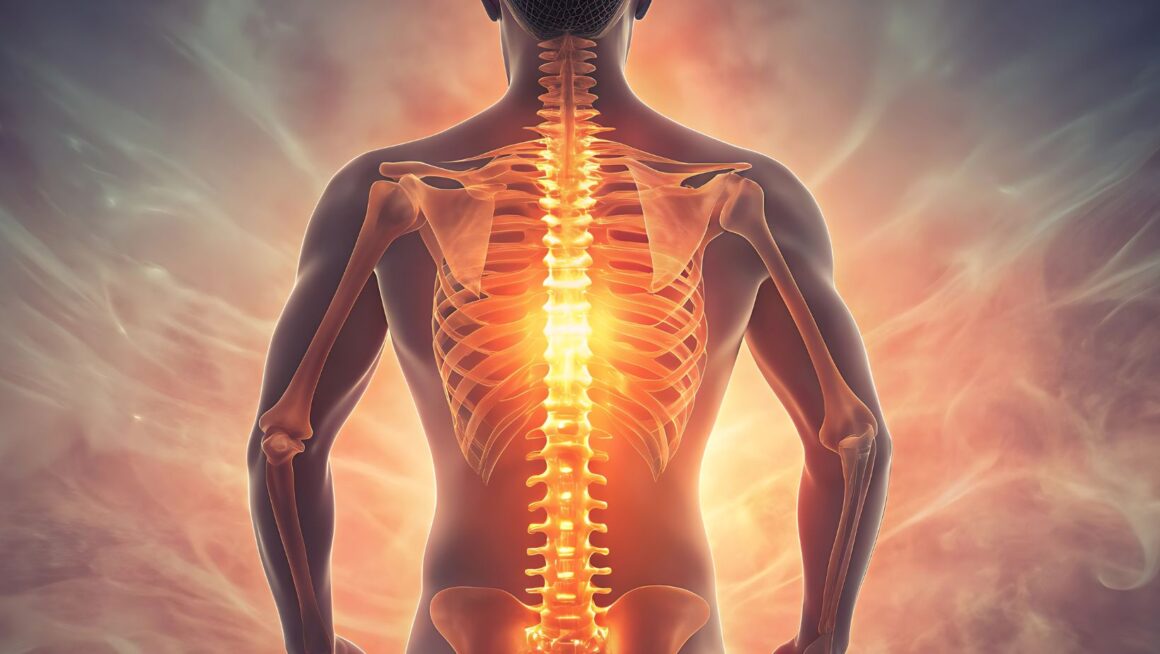
The gut-brain axis isn’t a metaphor—it’s a complex bidirectional communication network involving neural pathways, hormones, and immune signals. At the center of this network sits the vagus nerve, the tenth cranial nerve that wanders from your brainstem down through your neck and chest, eventually innervating most of your digestive organs.
Think of the vagus nerve as a superhighway carrying information in both directions. It transmits signals from your gut to your brain (informing you about fullness, discomfort, or nutrient status) and from your brain down to your gut (influencing motility, enzyme secretion, and immune function). This nerve is the physical embodiment of why your emotional state and digestive function are so tightly linked.
When vagal tone is strong—meaning the vagus nerve is functioning optimally—your digestive system operates smoothly. Motility stays regular, enzyme production remains robust, and your gut lining maintains its integrity. But when stress disrupts vagal tone, the entire digestive cascade can falter.
Stress Hormones and Digestive Chaos
When you encounter stress, your body activates the sympathetic nervous system—the “fight or flight” response. This made perfect evolutionary sense when stress meant encountering a predator; digestion became a low priority when survival demanded immediate physical action. Blood flow shifted away from the gut toward muscles, enzyme production slowed, and gut motility either accelerated (stress-induced diarrhea) or ground to a halt (stress-related constipation).
The problem is that your body can’t distinguish between physical danger and psychological stress. A looming deadline, relationship conflict, or financial worry triggers the same cascade of stress hormones: cortisol, epinephrine, and norepinephrine flood your system.
Here’s where it connects to FODMAP tolerance: these stress hormones directly impact gut function in ways that make FODMAP-containing foods harder to handle. Cortisol affects gut permeability, potentially increasing the inflammatory response to foods that wouldn’t normally be problematic. Stress slows gastric emptying and alters small intestine transit time, giving gut bacteria more opportunity to ferment FODMAPs before they’re absorbed.
Additionally, chronic stress appears to reduce the production of certain digestive enzymes. Studies have shown that stress can suppress pancreatic enzyme secretion and brush border enzyme activity in the small intestine. This means that during stressful periods, you’re not just more sensitive to FODMAPs—you’re also less equipped to break down the foods that could prevent FODMAP-related symptoms in the first place. Some people find relief when they try digestive enzymes during high-stress periods, potentially compensating for this stress-induced reduction in natural enzyme production.
Visceral Hypersensitivity: When Your Gut Overreacts
One of the most fascinating aspects of the nervous system’s role in digestive discomfort is visceral hypersensitivity—a condition where the nerves in your gut become overly sensitive to normal stimuli. It’s like turning up the volume on your gut’s sensory input.
In people with visceral hypersensitivity, the normal gas production and intestinal stretching that occurs when bacteria ferment FODMAPs triggers exaggerated pain signals. The amount of gas might be completely normal, but the perception of discomfort is amplified. This isn’t “all in your head”—it’s a real neurological phenomenon where the pain threshold in your gut has been lowered.
Chronic stress is one of the primary drivers of visceral hypersensitivity. When stress becomes persistent, the nervous system can become sensitized, similar to how chronic pain conditions develop in other parts of the body. This explains why some people develop sudden FODMAP intolerance after a period of intense stress or following a gastrointestinal infection (post-infectious IBS).
The vagus nerve plays a crucial role here too. Poor vagal tone is associated with increased visceral sensitivity, while stronger vagal activity appears to have an analgesic effect on gut pain. This creates a vicious cycle: stress reduces vagal tone, which increases gut sensitivity, which creates more discomfort, which generates more stress.
Motility and the FODMAP Window
Your gut’s motility—the rhythmic contractions that move food through your digestive tract—is heavily influenced by nervous system regulation. The enteric nervous system (sometimes called the “second brain”) coordinates these movements, but it’s constantly modulated by input from the central nervous system via the vagus nerve and stress hormones.
Here’s why this matters for FODMAP tolerance: the speed at which food moves through your small intestine determines how much time bacteria have to ferment FODMAPs before they’re absorbed or pass into the colon. When stress accelerates motility, FODMAPs may rush through too quickly, leading to diarrhea and incomplete digestion. When stress slows motility, FODMAPs sit stagnant, giving bacteria extended fermentation time and producing more gas and bloating.
This variable motility explains why your FODMAP threshold isn’t fixed. On a calm day with optimal vagal tone and balanced motility, you might handle a moderate FODMAP load without issue. On a stressed day with disrupted motility, the same meal becomes intolerable.
Research has shown that stress-induced changes in motility can reduce the threshold for FODMAP symptoms by up to 40%. That’s not a trivial difference—it’s the difference between tolerating a serving of garlic and reacting to a trace amount in a sauce.
The Microbiome Connection
The gut microbiome doesn’t exist in isolation from your nervous system. In fact, stress hormones directly influence which bacterial species thrive in your gut. Chronic stress tends to reduce beneficial bacteria like Lactobacilli and Bifidobacteria while promoting potentially problematic species.
This stress-induced dysbiosis has direct implications for FODMAP tolerance. Beneficial bacteria help metabolize FODMAPs efficiently, producing short-chain fatty acids that actually support gut health. When stress shifts the microbiome balance, FODMAP fermentation may produce more gas and inflammatory byproducts instead.
Additionally, the microbiome communicates with your nervous system through various channels. Certain bacteria produce neurotransmitters like GABA and serotonin (about 90% of your body’s serotonin is produced in the gut). Others produce metabolites that influence vagal signaling. This creates a feedback loop where stress affects the microbiome, which then influences nervous system function, which affects how you perceive and respond to digestive symptoms.
Practical Implications: Working with Your Nervous System
Understanding the nervous system’s role in FODMAP tolerance opens up new management strategies that go beyond dietary restriction:
Vagal tone exercises like deep breathing, humming, singing, or gargling can strengthen vagus nerve function. Many people notice improved digestion when they incorporate these practices before meals.
Stress management isn’t optional. Cognitive-behavioral therapy, mindfulness meditation, and progressive muscle relaxation have all shown effectiveness in reducing IBS symptoms, likely through their effects on nervous system regulation and visceral sensitivity.
Eating in a parasympathetic state matters tremendously. Taking time to eat slowly, minimizing distractions, and avoiding eating while stressed or rushed allows your digestive system to function optimally.
Movement and exercise support vagal tone and healthy gut motility, but intense exercise right after eating or during high-stress periods can backfire by activating the sympathetic nervous system when you need parasympathetic dominance.
Sleep quality profoundly affects both stress hormone levels and gut function. Poor sleep disrupts the microbiome, reduces vagal tone, and increases visceral sensitivity—all of which lower your FODMAP threshold.
Beyond Simple Dietary Elimination
The connection between your nervous system and FODMAP tolerance reveals why dietary elimination alone often provides incomplete relief. If you’re cutting out FODMAPs while remaining chronically stressed, sleeping poorly, or eating in a rushed, sympathetic-dominant state, you’re addressing only part of the equation.
This doesn’t mean stress causes your digestive issues or that you can simply relax them away. Rather, it means that digestive health requires a more comprehensive approach—one that addresses both what you eat and the physiological state in which you eat it.
Your gut’s sensitivity to FODMAPs isn’t fixed. It fluctuates based on nervous system regulation, stress hormones, vagal tone, and the constant communication between your brain and digestive tract. By supporting your nervous system alongside dietary adjustments, you may find your FODMAP tolerance becomes less rigid and your symptoms more manageable—not through restriction alone, but through true physiological support.