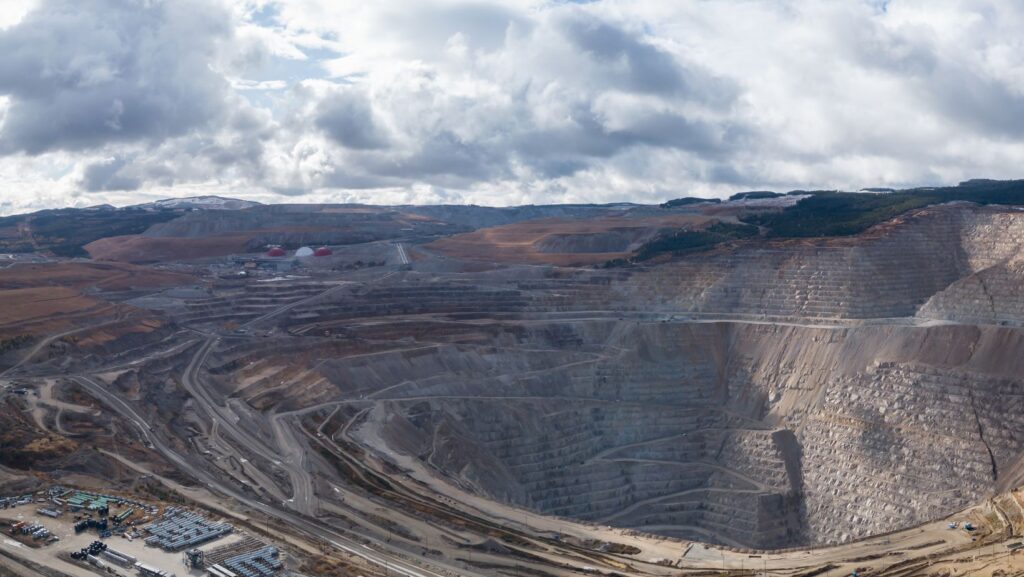
In recent years, the mining industry has experienced a significant transformation, largely driven by advancements in technology. This transformation has primarily aimed at improving efficiency and productivity while reducing operational costs and environmental impacts. One area of focus has been on developing more efficient equipment, such as mining rock drills , which are crucial in extracting minerals from the earth. Understanding these innovations is key to appreciating the broader technological revolution sweeping through the industry.
Importance of Minerals and Challenges in Traditional Mining
The minerals and metals extracted from mining play a fundamental role in various aspects of daily life, including infrastructure, technology, and energy. However, traditional mining methods have long been criticised for their inefficiency and environmental impact. To address these issues, companies are increasingly adopting cutting-edge technologies to optimise their operations and machinery.
Automation and Remote Operations
One of the most significant advancements in mining technology is the development of automation and remote operations. Automation allows for the operation of machinery, such as drills and trucks, with minimal human intervention. Remote operations enable the control of equipment from a distance, which increases safety and efficiency by reducing the need for humans to be present in potentially hazardous environments. Companies utilise state-of-the-art software and sensors that ensure machinery operates at peak performance, thus reducing downtime and maintenance costs.
Data Analytics and Machine Learning
Furthermore, data analytics and machine learning have become integral to the mining industry. These technologies enable companies to analyse vast amounts of data collected from equipment to identify patterns and predict failures before they occur. Predictive maintenance strategies, powered by these data-driven insights, significantly extend the life of mining equipment. Not only does this approach minimise unexpected breakdowns, but it also optimises operational schedules and reduces costs associated with maintenance.
Internet of Things (IoT) Integration
The integration of Internet of Things (IoT) technology in mining equipment has further enhanced operational efficiency. IoT devices monitor and collect real-time data on equipment performance and environmental conditions.
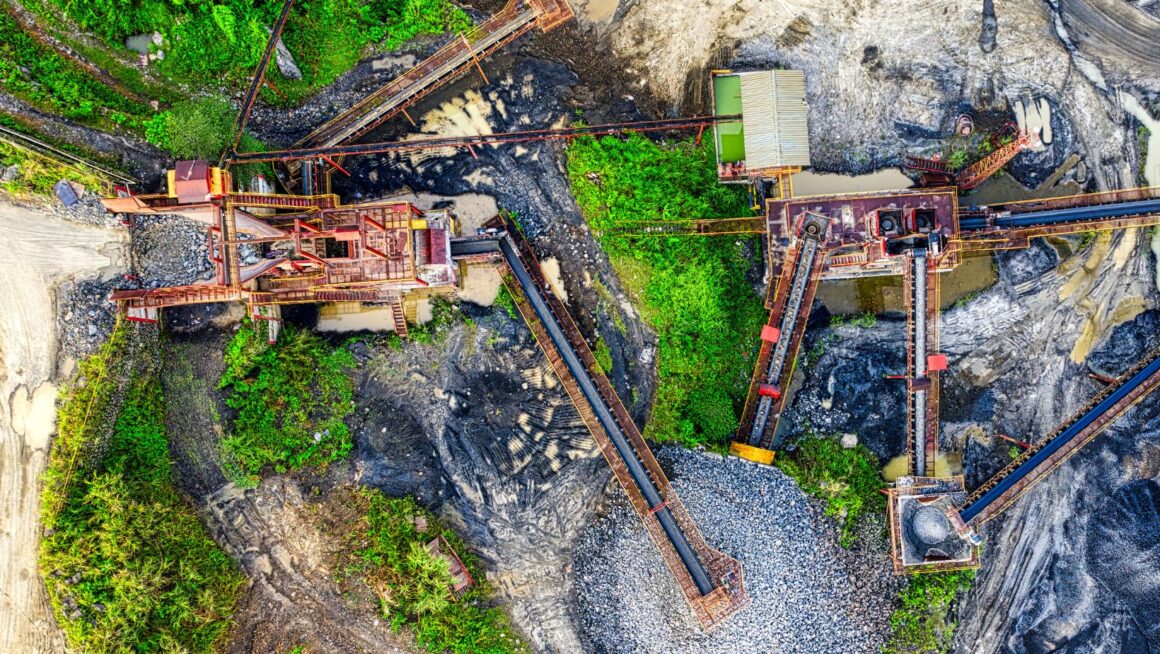
This information helps in making informed decisions about equipment operation, maintenance, and allocation of resources. By leveraging IoT, mining operations can achieve greater resource efficiency, improve safety standards, and reduce environmental impact.
Use of Drones in Mining
Drones are also becoming a staple in modern mining operations. Equipped with high-resolution cameras and sensors, drones offer a bird’s-eye view of mining sites, providing essential data for site planning and management. They assist in mapping and surveying, environmental monitoring, and stockpile measurements with speed and accuracy that surpass traditional methods. The use of drones reduces the need for human intervention in dangerous tasks, thereby improving safety and reducing operational risks.
Advancements in Robotics
Additionally, advanced robotics are playing an increasingly vital role in mining. Robots are used for tasks such as drilling, blasting, and transporting materials in areas that are either too dangerous or inaccessible for humans. This not only enhances safety but also allows for precision operations that can maximise resource recovery and minimise waste. The ongoing refinement of robotic technologies promises to push the boundaries of what is possible in mining operations further.