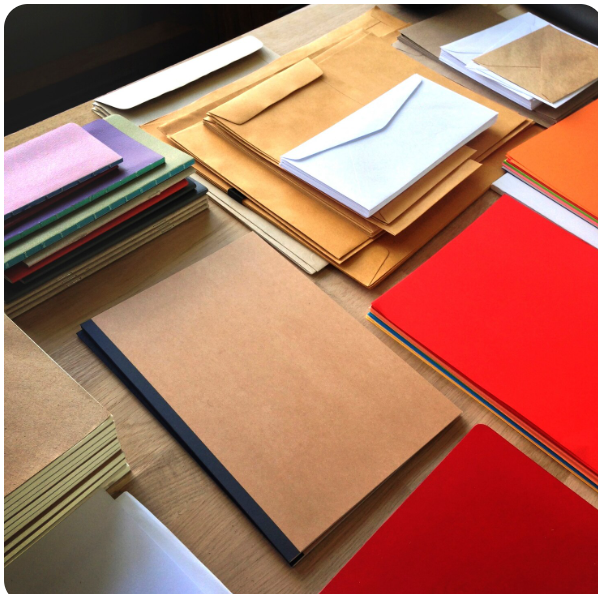
Customers will likely see your envelope before reading your message. But many companies find it difficult to select a material that is not only professional but also protects the documents and caters to their branding requirements.
Some envelopes rip during the postage process, and some do not achieve the sleek and professional look that companies seek on their marketing efforts, invoices or correspondence. This means that companies might have to replace damaged materials or fail to make a lasting impression.
Fortunately, getting the right envelope material is easier when you understand that there’s more to paper quality, durability, finish and printing compatibility. Each option impacts the presentation, the function, and customer perception.
This article details how you can select the right materials for printed envelopes for your business needs, your mailing goals, and your branding priorities.
1. Consider The Purpose Of The Envelope First
It’s important to determine the purpose of the envelope before choosing the materials. The durability, appearance, and thickness of the paper needed vary with the purpose for which it is being mailed.
For instance, if a business sends out printed envelopes for contracts, legal documents or invoices, then they may require more robust paper stocks that will keep the contents safe during transit.
Premium finishes and appealing textures, on the other hand, can be advantageous for marketing campaigns as they draw the eye. Also, think about whether the envelope will be going through regular mail or will be sent directly to the customers. Applications that involve mail will generally need tougher materials that don’t fold or tear during shipping.
If your content fits the envelope’s needs, you get a better functioning and presenting envelope, without having to pay for any additional expenses. Moreover, selecting the right material at the initial stages of designing helps businesses prevent any printing issues or production delays that may occur during printing.
2. Pay Attention To Paper Weight And Thickness
Envelope quality and durability are greatly impacted by paper weight. While lighter paper stocks can help lower costs, they can also look unprofessional. Heavier stocks, however, give a more premium look and will offer greater protection of enclosed materials. Standard paper weights are a good compromise for daily mailings.
But when it comes to corporate presentations and marketing collateral, a thicker stock is typically desired as it gives them a more solid feel in hand. Thicker materials also ensure that there are no transparency problems when sending an invoice or even confidential information.
But don’t forget the postage as well before going with too heavy materials. It is important to balance quality and practicality. Businesses should also keep in mind that thicker envelopes are more interesting to touch. High-quality paper materials are often a sign of a reputable and reliable brand.
3. Select A Finish That Matches Your Brand Image
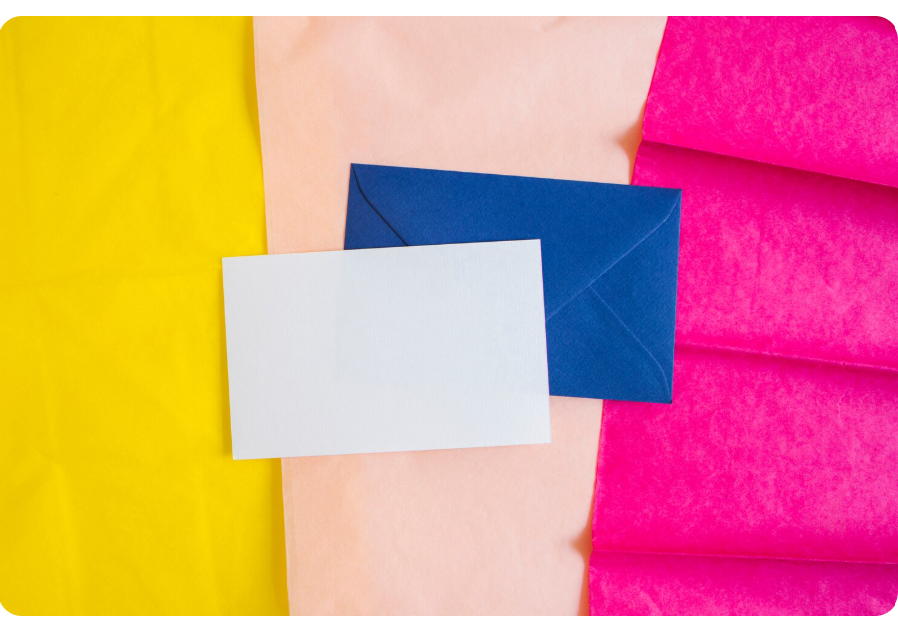
Envelope finishes have a great impact on customer perception. So, choosing the right finish can help boost your brand and make a professional presentation. Matte finishes are a clean and simple look and are perfect for corporate communications and professional correspondence.
However, glossy finishes will provide a more vibrant and brighter appearance that is commonly used for promotions and invitations to events. There is also textured paper, which can be used by companies that want a high-quality paper. Envelopes with a linen or woven texture not only look great but also provide a sense of depth to the piece.
Meanwhile, ensure that your selected finish is printed clearly. There are some finishes which are more compatible with certain printing techniques, and therefore, this should always be taken into account.
4. Evaluate Durability And Printing Compatibility
Envelope materials should withstand handling and transportation without losing their professional appearance. Weak materials can easily rip, wrinkle, or become damaged during shipping. If your envelopes will carry multiple documents or travel long distances, durability becomes especially important.
Stronger paper stocks help prevent tearing and bending throughout the mailing process. You should also choose materials compatible with your printing method. Smooth paper stocks generally produce sharper logos, text, and graphics.
Additionally, coated papers may enhance color vibrancy, while uncoated papers create a softer, more natural appearance. Testing material samples before large print runs can help identify potential issues early while ensuring consistent print quality.
5. Think About Sustainability And Customer Expectations
Today’s customers increasingly value environmentally responsible business practices. As a result, sustainable envelope materials have become an important consideration for many companies.
Recycled paper stocks provide an eco-friendly solution without sacrificing professionalism or print quality. Furthermore, choosing recyclable or responsibly sourced materials may strengthen customer trust and reflect positively on your company’s values.
Fortunately, many envelope manufacturers now offer sustainable materials in various finishes, textures, and thicknesses. This allows businesses to support environmental goals while maintaining a polished appearance.
Final Thoughts
Choosing the right materials for envelopes involves more than simply selecting paper. Every detail, including weight, finish, durability, print compatibility, and sustainability, influences how your business is perceived by customers.
When materials align with your mailing purpose and branding goals, envelopes become an effective communication tool rather than basic packaging. Additionally, durable and well-designed envelopes help protect important contents while improving presentation and customer confidence.
By carefully evaluating mailing conditions, printing requirements, and audience expectations, businesses can make smarter decisions that balance professionalism, functionality, and cost-efficiency.
Most importantly, thoughtful material selection helps create a strong first impression from the moment the envelope arrives. Companies that invest in quality envelope materials often strengthen brand credibility and support more effective business communication over time.