Aging can alter the comfort of life at home. Basic activities such as showering, walking down the stairs, or moving around in the kitchen might suddenly present a greater risk. Meanwhile, there are numerous elderly people who wish to remain independent and enjoy their comfort in familiar surroundings. But accidents like falls, dizziness, or an unexpected medical problem can occur at any time.
Another issue affecting families is the lack of timely support when parents are elderly. During Canadian winters, when extra snow and icy conditions create extra risk of falls, these concerns become even greater. This has made medical alert systems a vital aspect of today’s senior safety.
This article will discuss how medical alert systems enable safe independent living and increase peace of mind, emergency response, and confidence.
1. Fast Emergency Access Improves Safety At Home
In an emergency, failures to act can make things worse. Being able to dial a phone when they fall or have a medical emergency may not always be easy for the elderly living on their own. That’s why websites like https://www.lifeassure.com are valuable resources for improving household safety and emergency preparedness.
Medical alert devices come in the form of pendants or wristbands that provide immediate access in an emergency. Users press a help button to speak with trained monitoring specialists, rather than look for a phone.
This is particularly beneficial in the event of a fall, chest pain, dizziness, or weakness of one side of the body. Improved communications speeds up delays and can exacerbate emergencies.
Also, there are many waterproof wearable devices these days. Because bathrooms are among the most common places for seniors to fall, it is critical to keep bathrooms and showers accessible in case of an emergency.
2. Two-Way Communication Supports Faster Emergency Response
Today, medical alert systems offer far more than just an emergency button. Many devices have built-in two-way communication, enabling the elderly to communicate directly with the person monitoring their emergency.
This feature will enhance overall emergency response by enabling response specialists to more easily identify what has occurred and what should be done next.
Sensitive microphones and powerful speakers can enable communication through the base station, even if someone falls in another room. The senior does not necessarily have to be next to the device to get assistance.
Furthermore, monitoring experts may help calm people during stressful moments and organise emergency support. This communication is especially important if seniors are disoriented or frightened during emergencies.
Good communication can also enable first responders to get more information before reaching the house. This, in turn, can lead to more effective and streamlined responses.
3. Fall Detection Adds Extra Protection For Seniors
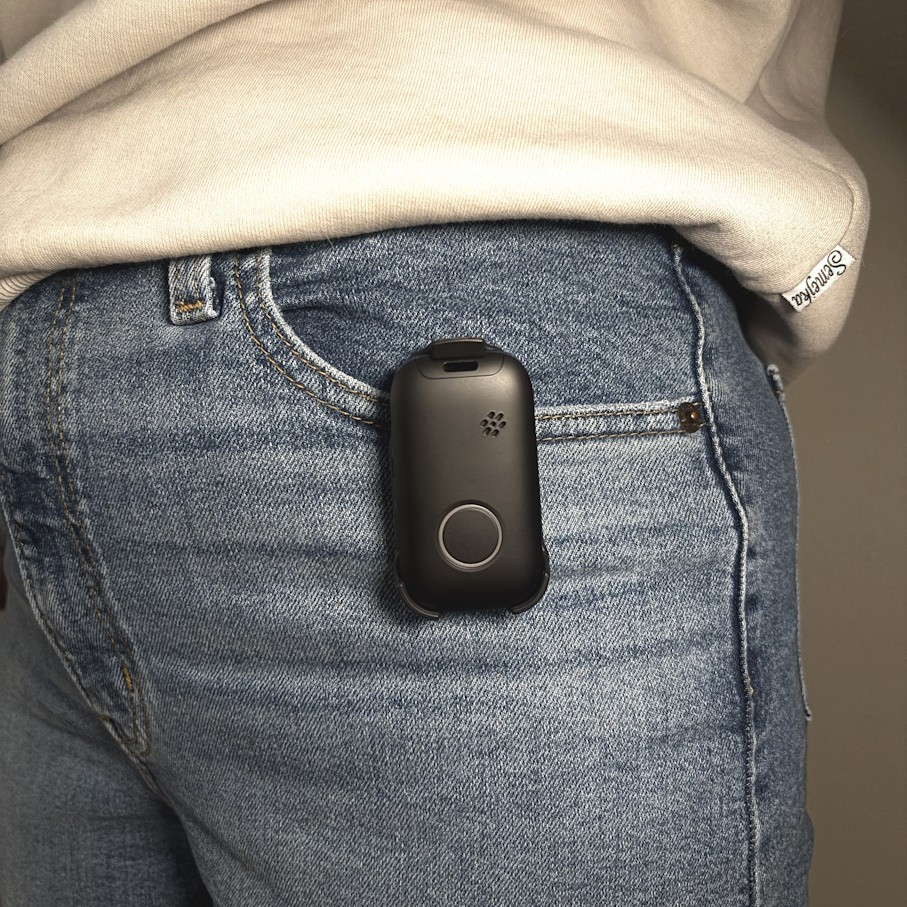
Not all emergencies have time for someone to push the manual help button. In certain cases, the individual might fall and lose consciousness or fall ill and not be able to press the device.
This issue has been addressed by many medical alert systems that come equipped with automatic fall detection features. The devices are created to detect specific abrupt motions that are linked to severe falls.
If a fall is detected that is “qualifying,” the system can automatically alert monitoring professionals even if the user cannot immediately respond.
This extra security is particularly crucial for elderly people who live by themselves. Families feel more secure when knowing that, in circumstances when movement or communication is limited, emergency support can be activated.
In addition, fall detection is especially important during the Canadian winter. For many areas of the country, snow and ice, along with the slippery entryways, place elderly people at great risk of falling.
4. Mobile Protection Supports Active Independent Living
Independent aging doesn’t necessarily mean living all the time indoors. Older people still take walks, go shopping, attend social events, and travel well into their older age.
However, modern medical alert technology also includes mobile protection features for use outside the house.
The GPS function enables monitoring professionals to locate their users in case of an emergency outside the house. This helps coordinate with emergency responders in case of an incident while on an errand, during a walk, or in transit.
Also, cellular connectivity is adopted by mobile systems, rather than relying on landline phone systems. This allows flexibility for seniors who are active all day long.
Mobile protection is another capability that fosters confidence. As people grow older, they typically prefer to keep their daily lives as normal as possible, with emergency assistance on hand wherever they go.
Meanwhile, family members are assured they can keep in touch with people who can help when they are away from home.
5. Medical Alert Systems Help Families Feel More Reassured
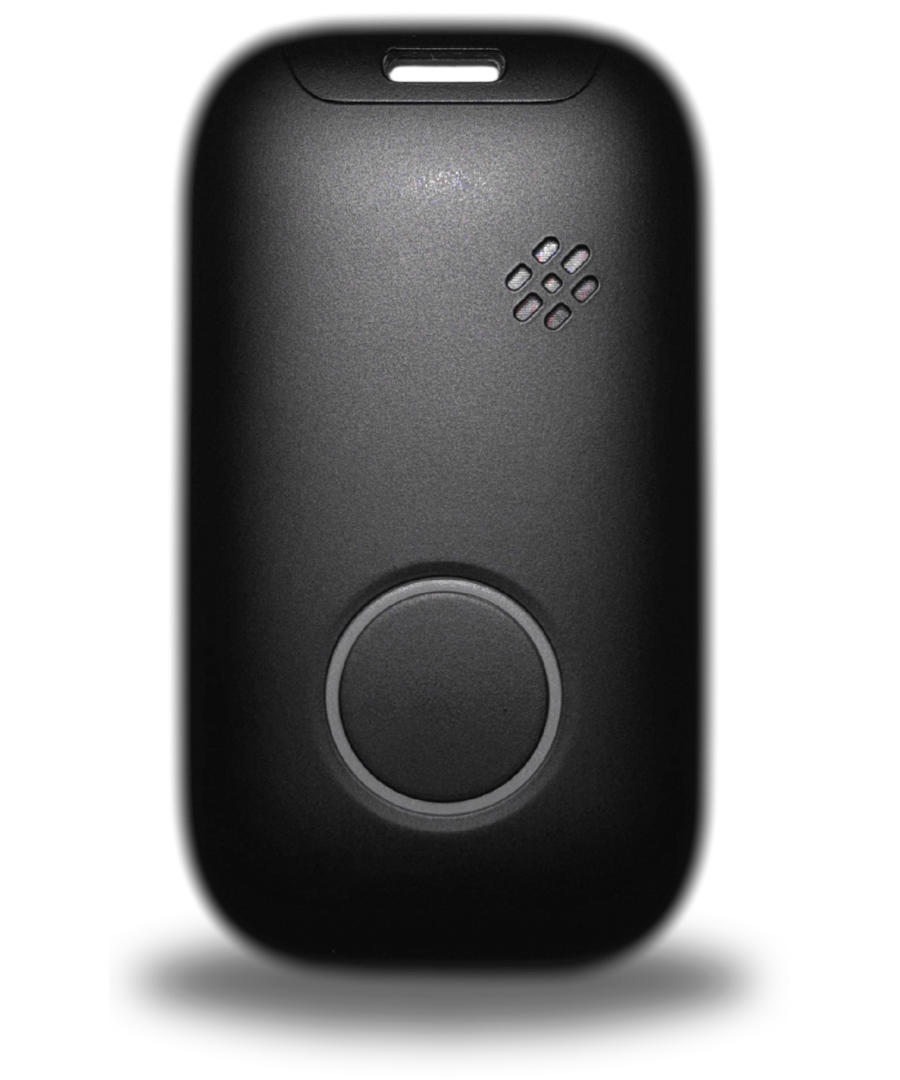
Medical alert devices aren’t just for the elderly. They also give emotional support to families or caregivers.
When parents age alone, especially when they reside in different cities or provinces, a concern for adult children is the well-being of their parents. The worry over falls, medical emergencies, or lack of help may keep family members in a state of stress.
Twenty-four-hour emergency monitoring can help minimise these concerns. Monitoring experts are on duty all year long – 24 hours a day, especially during severe weather.
Also, several systems can send signals to help emergency responders, caregivers, or family members reach the person in need at short notice.
During storms or short outages, battery backup features help to ensure reliability. This is especially critical in the Canadian areas where winter weather is harsh.
Above all, medical alert systems are here to help maintain independence, not constant supervision. Seniors have more independence in their day-to-day activities, and families have peace of mind about their seniors’ safety.
Conclusion
Medical alert systems are now a key component in reinforcing safe, independent living. As people age, they are more likely than ever to want to stay in their homes and enjoy an active and independent lifestyle. But in emergencies like falls, sudden illness, and delayed-response situations, there can be a great risk without support systems.
Thanks to medical alert technology, there are solutions to these worries, such as quick emergency access, two-way communication, fall detection, mobile protection, and 24/7 medical alert monitoring. Plus, waterproof wearables, cellular connectivity, and battery backup systems enhance reliability in everyday life and during emergencies.
More families turn to safe aging in place, and reliable medical alerts are increasingly crucial in today’s senior care and independent living.