
 Shawn Bradley
Ever stared at your kitchen cabinets and thought they looked like they belonged in a crime scene from a 1990s police drama? You’re not alone. As home renovation trends crowd your feed and HGTV fuels ideas you can’t unsee, it’s easy to believe that your property isn’t just outdated—it’s holding you back. In this blog, we will share what matters most before jumping into major property upgrades.
Not All Upgrades Are Created Equal
When property values soared during the pandemic-era housing rush, many homeowners assumed renovations were a golden ticket. Tear down a wall, install some custom lighting, maybe put in a sleek kitchen island, and your home’s value would magically skyrocket. Fast forward a couple of years, and the mood’s changed. High interest rates, labor shortages, and inflation have cooled the frenzy. But the itch to upgrade hasn’t gone away—it’s just harder to justify.
The trouble is, not every improvement gives you a return. Converting a garage into a yoga studio might make your mornings better, but future buyers may only see lost parking. Luxury upgrades rarely translate dollar-for-dollar unless your neighborhood supports that tier of spending. Before touching a sledgehammer, research what adds real resale value in your zip code and weigh it against what actually improves your day-to-day life.
Budgeting isn’t just about total costs, either. It’s about cash flow, timelines, and preparing for inevitable overruns. If you’re planning a major project and your savings don’t stretch that far, tapping into home equity might make sense. A home equity loan, used responsibly, can turn locked-in value into practical funding without forcing you to sell. It typically comes with fixed rates and longer repayment terms than personal loans, which makes it a popular option for homeowners trying to manage large-scale renovations without blowing up their finances. It’s a financial tool, not a magic wand—but when used thoughtfully, it can give you room to move forward without sacrificing everything else.
Permits, Codes, and the Joy of Red Tape
Many homeowners assume they’ll deal with permits later, usually after the first truck shows up or the neighbor starts asking questions. But permits aren’t just a formality—they’re a legal and safety requirement that can make or break your entire project. Whether you’re adding a second story or just moving a plumbing line, skipping the paperwork can lead to fines, forced deconstruction, or trouble when you try to sell.
The process isn’t always straightforward. Local regulations vary by city and sometimes even by neighborhood. What’s allowed in one place might be a violation just five blocks over. Depending on the size of your upgrade, you may need to involve an architect or licensed contractor just to submit plans. If you’re working in a historic district or on a multi-unit building, expect extra scrutiny.
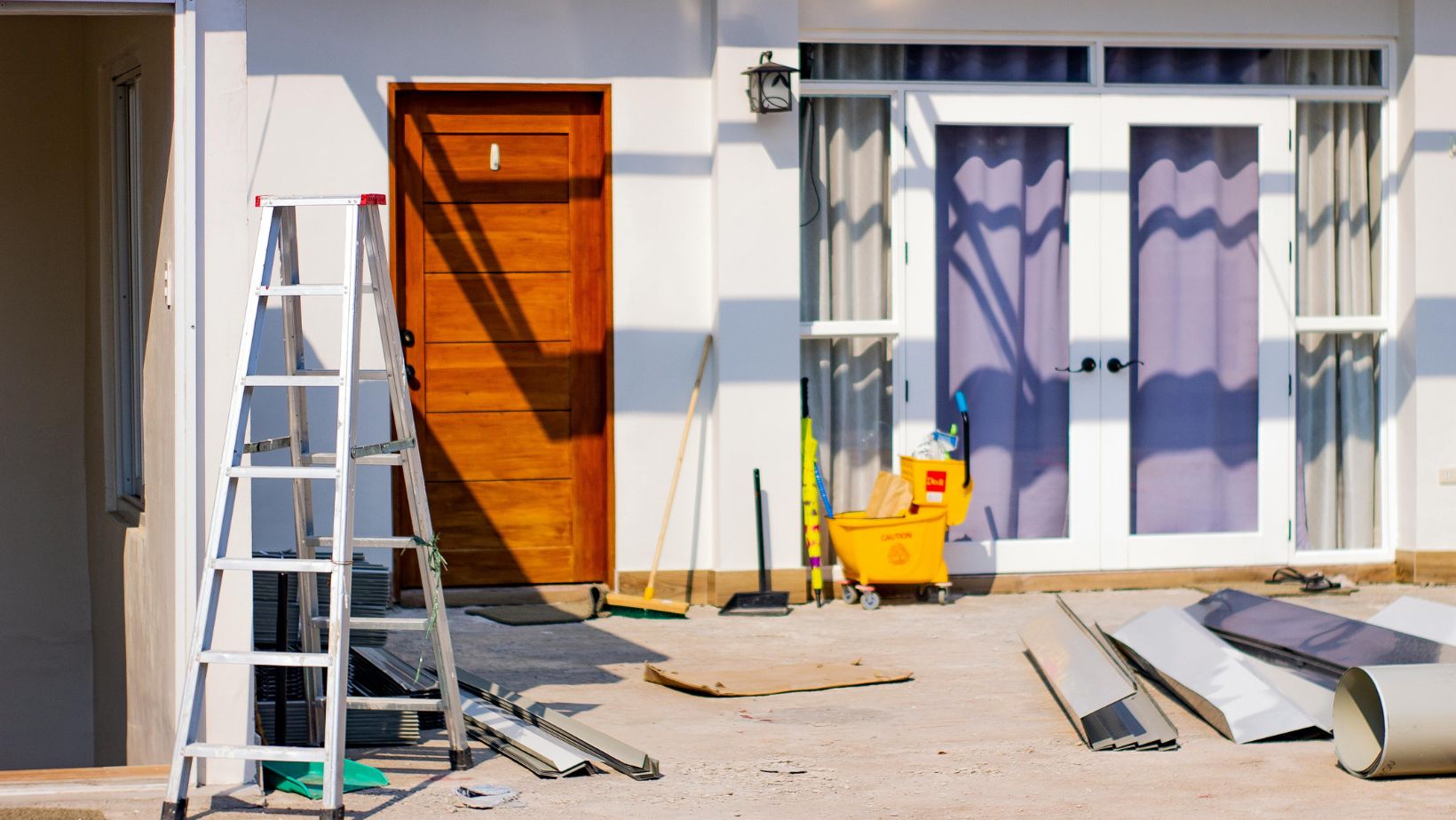
More than ever, cities are cracking down on unpermitted work. With housing shortages driving more ADU (accessory dwelling unit) and duplex conversions, inspectors are under pressure to monitor every square foot. Cutting corners now may leave you paying double down the line. It’s not glamorous, but understanding what’s required before you start digging is one of the smartest decisions you can make.
Labor Is Scarce and Time Is Elastic
The pandemic didn’t just disrupt supply chains—it scrambled the labor market in ways that still haven’t fully settled. Tradespeople are booked out for months. Skilled contractors are harder to find, and the good ones aren’t cheap. That online quote you got last spring might be laughably outdated by the time you’re actually ready to start.
This reality means two things: timelines are less predictable, and you need to vet your team like your property depends on it—because it does. Don’t just go with the lowest bid. Get references, see examples of previous work, and ask about how they handle unexpected delays or material shortages. Look for transparency, not just charm.
You’ll also want to agree on a clear scope of work. Many disputes stem from unclear expectations. Spell out what’s included, what isn’t, and how changes will be handled. Put it in writing. When labor is tight and demand is high, clear communication isn’t optional—it’s essential.
Sustainability, Efficiency, and the Long Game
Energy prices have spiked. Water restrictions are growing tighter in drought-prone regions. Upgrades that once felt optional—better insulation, efficient windows, low-flow fixtures—now make a direct impact on your utility bills. And with new tax credits and local rebates tied to green upgrades, investing in sustainability doesn’t just help the planet—it can lower costs in ways that compound over time.
When planning major property changes, think about more than surface appeal. Can solar panels reduce long-term energy needs? Would switching to electric appliances position you for future energy codes? Is your HVAC system modern enough to survive climate fluctuations?
Cities are slowly tightening environmental codes. Getting ahead of them now means fewer headaches later. Plus, efficient homes often sell faster. Buyers aren’t just looking at square footage—they’re asking how much it costs to live there. When you upgrade with long-term savings in mind, you’re building value that endures, regardless of the market.
Upgrades as Strategy, Not Fantasy
A major property upgrade shouldn’t be an emotional reaction to boredom or jealousy. It should be a strategic choice built on real goals. Maybe you’re adding a bedroom to accommodate a growing family. Maybe you’re investing in updates that make the home safer or more livable. Or maybe you’re preparing to sell in a year or two and want to maximize market value. Whatever the case, the upgrade should serve a purpose bigger than visual refreshment.
This requires thinking like both a homeowner and an investor. Ask what your upgrade accomplishes, how it positions you long-term, and what flexibility it gives you. Avoid projects that paint you into a corner. The best renovations create options: to enjoy now, to sell later, to adapt when life changes. They’re not just about what feels good—they’re about what works.
In the end, a major upgrade is part ambition, part logistics, and part therapy. It tests patience, drains weekends, and stretches budgets—but it can also reshape how you experience your space. Before committing, make sure the numbers work, the timing is right, and the purpose is clear. Trends will come and go, but a smart upgrade delivers value you can live with—literally.

