Managing money is no longer limited to checking a bank balance at the end of the week. As digital wallets become part of everyday financial routines, they are also changing how people monitor spending, organize expenses, and plan ahead.
Beyond making payments more convenient, these apps provide practical tools that turn everyday transactions into useful financial insights. Real-time tracking, automated organization, and built-in budgeting features can make daily money management more structured, accessible, and informed.
1. Real-Time Spending Visibility
One of the biggest advantages of tools like NinjaCard digital wallet is its ability to provide immediate visibility into daily spending. Every completed transaction appears almost instantly, allowing users to monitor purchases without waiting for bank statements or delayed updates.
Real-time notifications make it easier to understand where money goes throughout the day. Instead of reviewing expenses weeks later, users can recognize spending patterns as they develop and make adjustments when necessary.
The live financial snapshot in the app increases awareness of available balances and recent activity. Users can quickly verify purchases and keep track of multiple transactions as they happen.
Traditional banking systems may take longer to reflect completed purchases. Digital wallets reduce this delay, providing more timely financial information that supports informed day-to-day spending decisions without unnecessary guesswork.
Regular transaction updates also encourage users to review financial activity more frequently. This consistent engagement makes it easier to notice unusual spending, confirm purchases, and maintain accurate awareness of available funds.
2. Simplified Expense Categorization
Digital wallets automatically organize transactions into categories such as groceries, dining, transportation, subscriptions, shopping, and entertainment. This removes the need to manually record every purchase in notebooks or spreadsheets.
Automatic categorization helps users recognize recurring expenses more easily. Monthly subscriptions, restaurant visits, and transportation costs become much easier to review when grouped into a single organized transaction history.
Digital wallets keep spending records clearly organized, making it easier to identify habits that may deserve closer attention. Users spend less time sorting financial information and more time understanding where their money is being used.
Clear expense categories also improve monthly budgeting. Reviewing organized spending summaries helps users compare different expense groups, identify trends over time, and make practical adjustments that better support future financial priorities.
Over time, categorized transaction histories create valuable financial records. Comparing monthly reports helps users understand changing priorities, evaluate recurring expenses, and identify opportunities to improve overall budgeting consistency.
3. Streamlined Budgeting Tools
Many digital wallets include built-in budgeting features that simplify financial planning. Users can establish spending limits for different categories and monitor progress directly within the application during everyday purchases.
Automatic alerts notify users as they approach their chosen limits. These reminders encourage better spending awareness before budgets are exceeded rather than requiring adjustments after the month has already ended.
Digital wallets integrate budgeting into everyday financial activities rather than separating planning from spending. Budget information remains visible whenever users review balances or complete transactions, making financial planning part of normal daily routines.
Many platforms also support personal savings goals alongside regular spending management. Monitoring both budgets and savings in a single application encourages consistent financial habits and helps users stay focused on long-term objectives.
Regular budget reviews encourage continuous financial improvement rather than occasional adjustments. Small changes made throughout the month often contribute to more consistent spending habits and stronger long-term financial discipline.
4. Consolidated Financial Overview
Managing finances becomes much easier when important information appears in one location. Digital wallets consolidate multiple payment cards, account balances, and transaction histories into a single dashboard for quick review.
Instead of switching between multiple banking applications or reviewing printed statements, users gain a complete overview in a single interface. This saves time while reducing confusion caused by fragmented financial information.
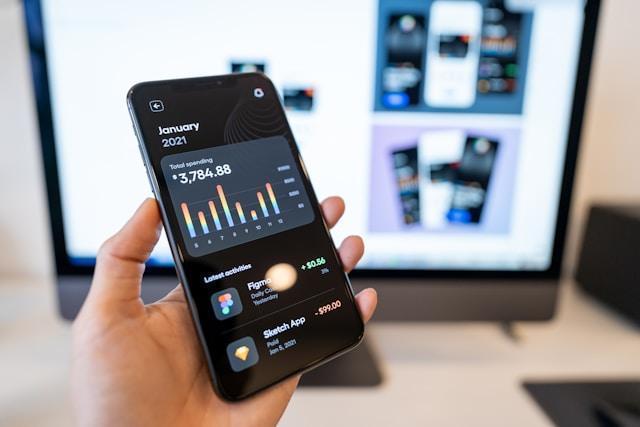
Digital Wallets present balances, spending activity, and transaction history together, allowing users to understand their overall financial position with just a few taps. Consolidated information creates a clearer picture of everyday financial activity.
A unified financial overview also supports better decision-making. With current balances, recent purchases, and historical records available together, users can evaluate spending more efficiently and plan future expenses with greater confidence.
Having complete financial information readily available also reduces unnecessary administrative effort. Users spend less time searching across different platforms and more time focusing on meaningful financial planning and decision-making.
5. Faster and Easier Transfers
Digital wallets simplify moving money between accounts or sending funds to other people. Transfers that once required lengthy processing or paper-based methods can often be completed within moments using mobile applications.
Faster transfers improve everyday convenience. Bills can be paid more quickly, shared expenses can be settled promptly, and account balances can be adjusted without visiting physical banking locations.
Digital wallets support efficient fund movement while reducing many of the delays associated with traditional banking processes. Quick transfers help users maintain smoother cash flow throughout regular financial activities and payment schedules.
Timely access to available funds also helps prevent unnecessary payment delays. Faster transfers enable consistent bill payments and reduce the risk of missed deadlines due to slower processing times or outdated payment methods.
Quick transfers also simplify managing shared household expenses or reimbursing friends and family. Greater payment flexibility supports smoother financial interactions while reducing unnecessary waiting periods between completed transactions.
6. Reduced Reliance on Cash
Digital wallets reduce the need to carry physical cash for everyday purchases. Payments can be completed electronically, with a complete digital record of every transaction within the application.
Automatic documentation improves financial organization by recording every purchase immediately. Users no longer need to collect receipts or estimate cash spending when reviewing monthly expenses and personal budgets.
Digital wallets provide a convenient alternative to cash while maintaining detailed transaction records that remain easy to access whenever financial information is needed. This creates greater consistency across everyday spending activities.
Comprehensive digital records also support future financial planning. Organized transaction histories can assist with budgeting, expense reviews, and tax preparation by providing accurate documentation that remains available long after purchases have been completed.
Digital payment histories also simplify reviewing previous purchases months later. Easily searchable records provide useful reference points when tracking expenses, verifying payments, or preparing personal financial summaries.
Building Better Financial Habits Every Day
Digital wallets have evolved beyond simple payment tools. By combining transaction tracking, expense organization, budgeting support, faster transfers, and accessible financial records, they give users a clearer view of how money moves through everyday life.
That visibility can make financial management feel less fragmented and more intentional. As digital payments become increasingly common, digital wallets will continue to play a practical role in helping people stay organized, recognize spending patterns, and make better-informed decisions over time.