We’ve all been there: strolling through a store, absorbed in the aisles, when suddenly, the right song comes on and suddenly everything feels just a little bit more enjoyable. Music has a way of shifting the mood—whether it’s making us feel more energized or relaxed, or even subtly encouraging us to make a purchase. In recent years, retailers have become more aware of the power of music, and they’re now using Artificial Intelligence (AI) to take it to the next level. Rather than relying on random playlists or generic tunes, AI is allowing stores to tailor the music they play to fit their customers’ moods, preferences, and behaviors—leading to a better shopping experience and, perhaps more importantly, higher sales.
Why Does Music Matter in Retail?
Music is more than just background noise in a store. It’s a key part of creating a vibe, setting a tone, and making a shopping experience memorable. Think about it: if you’re in a store with relaxing, calming music, you’re more likely to take your time, browse, and maybe even linger longer in the aisles. On the other hand, if the music is upbeat and lively, it can make the space feel energetic, which might make you feel more engaged or prompt you to act quickly (whether it’s checking out that trendy new item or heading to the register with your full cart).
Retailers have known for years that the right music can impact the way customers behave. It can create a comfortable atmosphere, encourage certain emotions, and even influence buying decisions. The catch is that this music has traditionally been a one-size-fits-all approach—either a playlist on shuffle or a carefully curated set of songs that might not necessarily speak to the unique tastes of every shopper who walks through the door.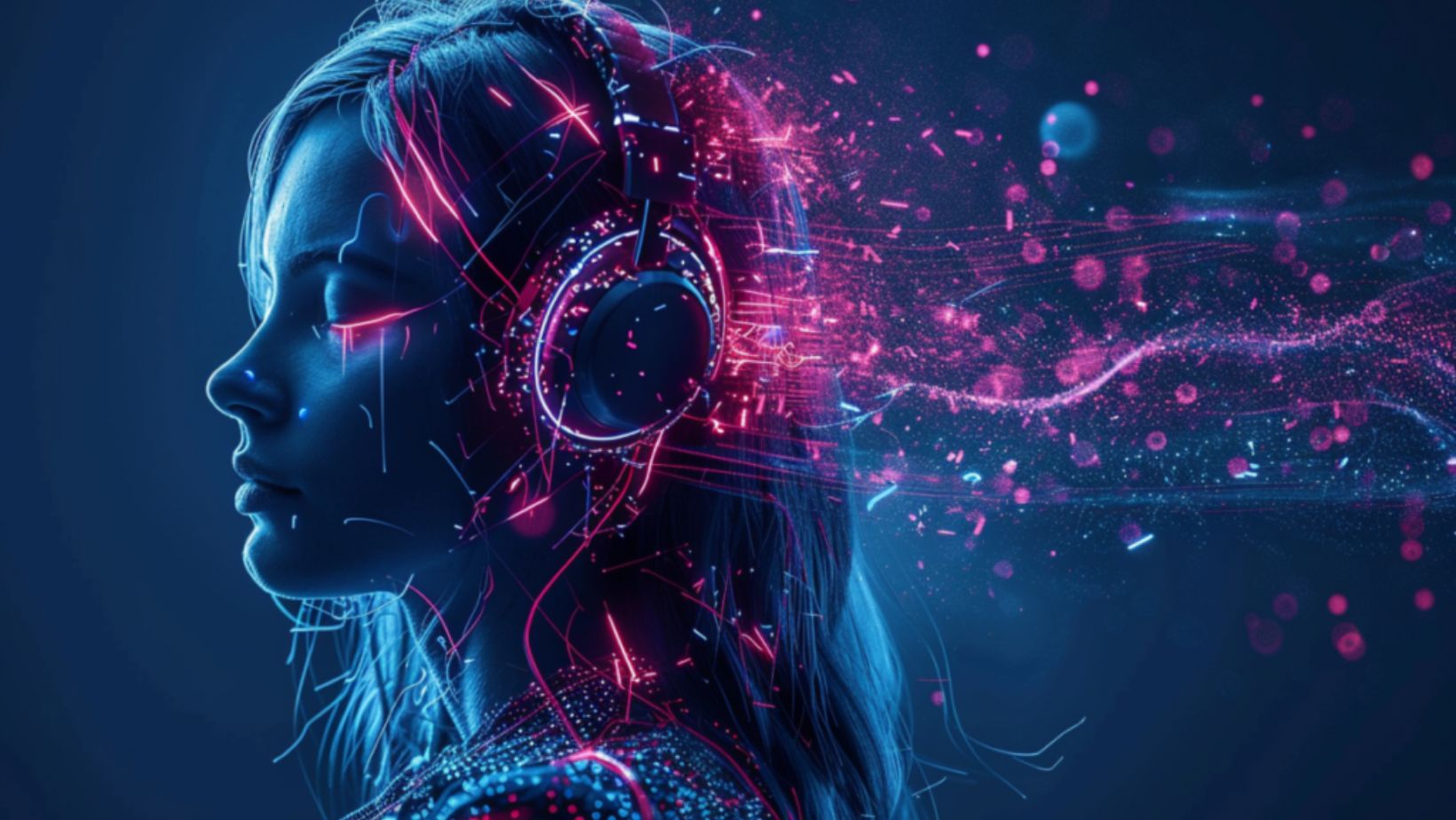
That’s where AI comes in. Now, instead of playing random songs or generic playlists, retailers can use a music AI generator for retail to personalize the music they play based on the customers in the store, the time of day, or even the type of shopping experience they want to create.
AI: The Technology Behind Tailored Music
So how does AI actually make all this happen? The answer lies in the data. AI systems can gather and analyze information about the people who walk into a store, including their age, gender, previous shopping habits, and even how they’re feeling in the moment (thanks to things like facial recognition and sentiment analysis). With all this data, AI can understand the types of music that might best match the mood of the customers in the store at any given time.
For example, let’s say a retailer knows that their customer base consists of a mix of younger, trendier shoppers and older customers who prefer a more laid-back atmosphere. The AI can generate a playlist with a blend of upbeat pop music for the younger crowd, while playing softer, more classic tunes in the sections of the store where the older customers are browsing. This way, the music can cater to both groups without feeling jarring or out of place.
And that’s not all—AI can also adjust the music in real time based on what’s happening in the store. For instance, if it’s a busy, high-energy time in the store (like during a flash sale or peak shopping hours), the system might play faster, more energetic music to keep people moving. But if it’s quieter, maybe with fewer shoppers around, the music could shift to something slower or more soothing to create a calm and welcoming vibe.
Real-Time Adjustments: AI That Knows What You Need
One of the coolest things about AI-driven music systems is how adaptable they are. Imagine this: you’re walking through a store on a rainy afternoon, and the store has an overall calm vibe. The music might match that, playing gentle instrumental tracks that add to the cozy, shelter-from-the-storm atmosphere. But if the weather changes or the store starts filling up with more energetic customers, the AI can quickly switch up the music to better match the new environment.
And it’s not just about the weather or the time of day. AI can also sync the music with other in-store activities. For example, if there’s a special promotion happening or a new collection being launched, the system could introduce more upbeat music to create a sense of excitement and urgency. On the other hand, if the store is winding down for the day, the AI might switch to more mellow tunes to ease shoppers out and make them feel relaxed as they check out.
This ability to make these real-time adjustments makes AI incredibly powerful in shaping the shopping experience. It’s not just about picking music—it’s about creating a mood that aligns with what’s happening in the store, whether that’s creating a sense of calm, excitement, or urgency.
The Impact on Sales and Customer Engagement
So, why is all this music personalization so important? Well, at the end of the day, it’s about improving the customer experience, which leads to better business results. Studies have shown that when customers feel good in a store—whether because of the ambiance, the music, or the overall environment—they’re more likely to stick around longer. And the longer they stay, the more likely they are to make a purchase.
A music AI generator plays a huge role in that by helping create an atmosphere where customers feel more connected to the store and its offerings. Whether the music makes them feel energized and motivated to buy or calm and relaxed as they browse, it has a direct impact on the customer’s mindset.
For example, if the music resonates with a customer’s preferences, they may feel like the store “gets” them. This emotional connection can build brand loyalty, making them more likely to return or recommend the store to friends. Plus, it can increase the chance of impulse purchases—when you’re enjoying your time in the store and feel emotionally connected to the environment, you’re more likely to pick up something extra.
Personalization Beyond Music: Crafting the Complete Experience
AI doesn’t just stop at music. Retailers are beginning to use AI to personalize every part of the shopping experience. From product recommendations based on previous purchases to chatbots that offer help in real-time, AI is making shopping more tailored to the individual. Music is just one piece of the puzzle, but when combined with other personalized experiences, it becomes a powerful tool in building a deeper connection between the customer and the brand.
Conclusion: AI and the Future of Retail
As technology continues to evolve, the role of AI in retail is only going to grow. Music, once considered just a background element, is now being used to create a customized, emotional experience for shoppers. By analyzing customer data and adjusting in real time, AI allows retailers to tailor their music to fit the mood, time of day, and even the unique tastes of their customers. And this, in turn, helps improve the shopping experience, increase customer engagement, and ultimately boost sales.
In the future, we’ll likely see even more sophisticated applications of AI in retail, where music, lighting, product displays, and other elements of the store environment are all tailored to create a cohesive, personalized experience. For now, though, it’s clear that the way retailers use music is evolving, and music AI generators are playing a huge role in making that happen. The end result? A more enjoyable shopping experience that benefits both the customer and the retailer.