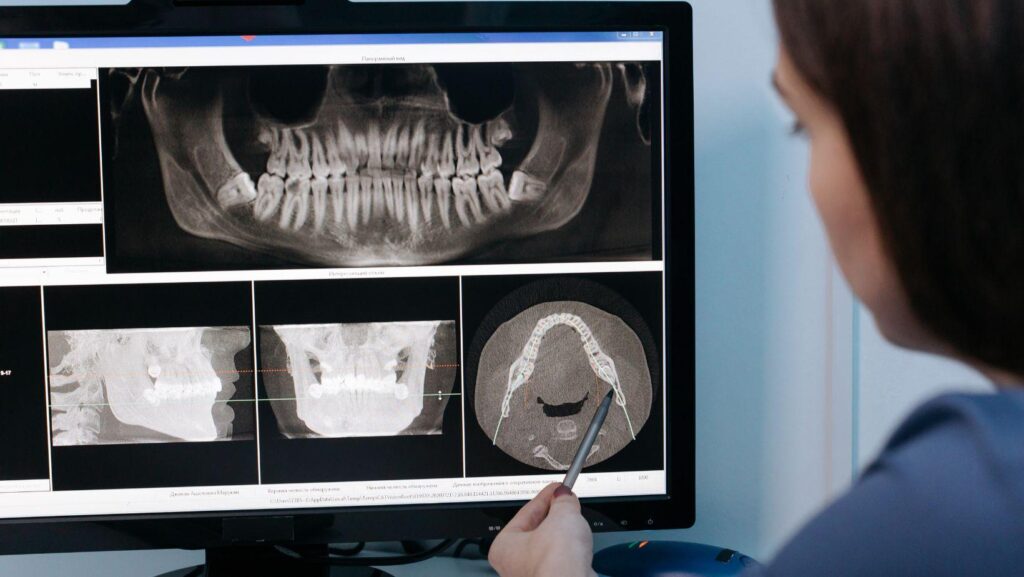
Diagnostic procedures are fundamental to healthcare but patients often find them difficult to understand. Many tests use internal imaging, specialized tools or biological interactions that are not visible. 3D medical animation is a clear tool to show these procedures – this technology helps patients understand the events, the necessity of the test and the way doctors interpret results.
Clarity in Diagnostic Visualization
3D medical animation shows diagnostic procedures in a way that represents clinical environments. Patients see how tools like MRI machines, CT scanners or endoscopic devices interact with the body instead of only hearing a description – this method removes uncertainty and makes the experience predictable.
Visualizing the sequence of steps in a test is also helpful. Animation shows every stage, from preparation to data collection plus analysis, in a continuous manner. Because patients can see what is about to happen, they are often less anxious and more cooperative during the procedure.
Improving the Understanding of Internal Imaging
Many diagnostic tools use imaging techniques that capture internal structures in layers – these results are often abstract or confusing without visual support. 3D medical animation is useful because it reconstructs these images into complete models that show how body parts relate to one another.
Explaining conditions that develop over time or affect multiple systems is easier with this approach. Animation combines movement and structure so patients see the area of examination but also why it is important. In some medical settings, clinicians use medical AR to place the reconstructions over real world views for better interpretation.
Enhancing Communication Between Clinicians & Patients
Effective communication during diagnostics is dependent on a shared understanding. Clinicians are familiar with technical terms and imaging data but patients often need more context. 3D medical animation is a bridge that provides a visual reference for both parties to discuss.
Shared references are helpful to lower miscommunication and support conversations about health. When patients see how a procedure works as well as what it reveals, they are more likely to participate in discussions and follow medical advice – this process improves the quality of care and increases trust in medical systems.
Supporting Education Through Scientific Animation
Scientific animation is a tool that turns complex diagnostic concepts into accessible visual information – these animations ensure that medical details are precise or easy to understand – using principles of accuracy – this clarity is important when a professional explains advanced imaging or laboratory tests with many steps.
Patients are able to watch these visual explanations again outside of the clinic – this repetition reinforces what they learned and allows them to process information at their own speed. Regular exposure to clear visual explanations is a way to improve health literacy and lower confusion regarding future procedures.
Reducing Anxiety & Improving the Patient Experience
Diagnostic procedures are often a source of stress because patients are uncertain about outcomes or unfamiliar with equipment. 3D medical animation is a way to lower this stress – making patients familiar with the process before they arrive at a hospital. Seeing the procedure beforehand creates a feeling of preparedness.
Better understanding is also a path to better cooperation during a test. Patients are less likely to feel overwhelmed when they know the duration of a procedure next to the sensations they might feel – these factors lead to efficient diagnostic sessions and results that are accurate.
Conclusion
3D medical animation is a vital tool for explaining diagnostic procedures because it turns complex processes into clear visual experiences. It is a system that improves communication, supports education and reduces anxiety. As healthcare changes, tools like medical AR plus scientific animation are becoming more important for how people share and understand diagnostic information.