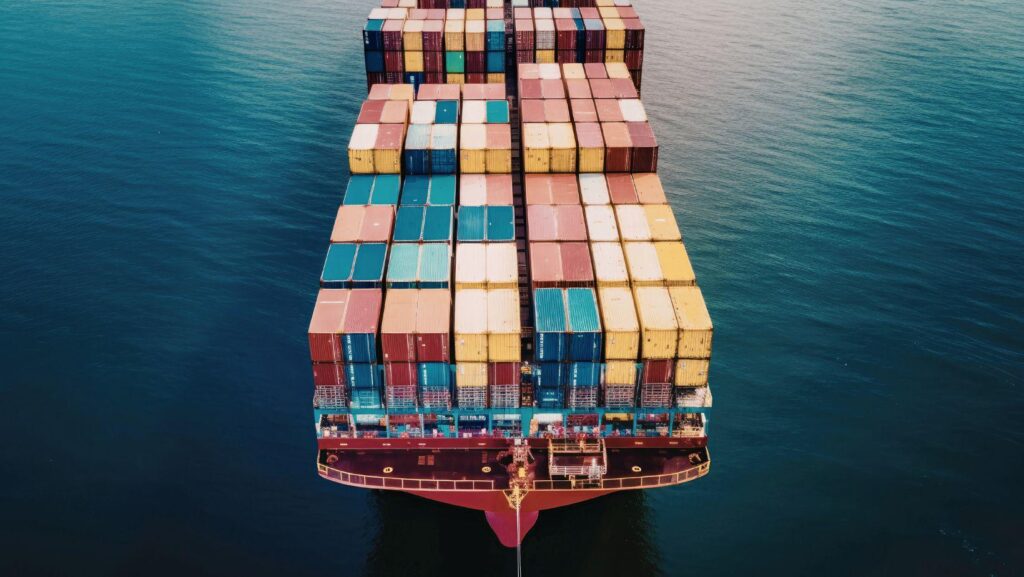
Cargo security is a priority for businesses that use containers to move products to various markets. Financial losses, delays and negative impacts on customer relationships are possible results of theft or damage. Because supply chains are complex, the protection of goods requires planning and consistent practices.
Improving security involves multiple factors beyond locking a container. Companies are responsible for checking container quality, loading methods, monitoring systems and employee training. A broad approach is helpful to lower risks and ensure that goods reach their destinations.
Container Selection
The security of cargo begins with the choice of a container – It is important to inspect the walls, floors, roofs and doors for structural strength. Parts that show rust or wear are vulnerabilities that might lead to security issues.
Businesses that buy shipping container units for logistics should verify the condition of each unit. Equipment that is in good repair is less likely to allow unauthorized access.
Secure Loading Practices
Techniques for loading are important to prevent loss and damage. Workers should arrange goods so that they do not move during transit. Weight that is not distributed evenly increases the risk of items shifting, which is a cause of product damage.
Stability is possible when workers use pallets, straps and protective packaging. Containers that are loaded securely are less likely to have internal damage during handling. Standard procedures are also useful because they allow staff to see irregularities quickly.
Locking And Sealing Measures
Strong locks are a primary defense against unauthorized access. Steel lockboxes and heavy locks are difficult for others to open during transit or storage.
Security seals are also useful because they show if someone tried to open the doors. If teams check these seals at different points, they can identify breaches before the goods reach the customer.
Technology And Monitoring
Technology is a tool that improves security – GPS tracking systems are available for managers to see container locations at all times – this visibility is helpful to identify route changes that are not planned.
Sensors are also available to detect when doors open or when there are changes in the environment – these tools provide data for quick responses to threats. Better information is a way to improve decision making.
Personnel And Procedures
Employees are responsible for maintaining security – Drivers and warehouse staff should know the security protocols and how to report incidents. Personnel with proper training are able to recognize suspicious activity.
Consistent operations are possible when there are clear procedures. Regular inspections and access controls are ways to lower mistakes. Internal processes are necessary to keep the supply chain accountable.
Container Maintenance
Maintenance is required to keep containers secure over time – It is necessary to inspect and repair hinges, locks and seals. Weak points are often the result of neglected repairs.
Organizations that buy used shipping container Vancouver options should follow a maintenance schedule. Even containers that are made of durable materials require inspections to remain functional and secure.
Route Planning And Risk Management
The choice of transportation routes is a security factor – Some areas are known for higher rates of theft or have poor infrastructure. Planning is a method to lower the exposure of cargo to these threats.
Risk assessments are useful to find vulnerabilities before a shipment starts. When a business evaluates its partners and processes, it is able to implement measures that make the logistics network stronger.
Conclusion
Cargo security during transportation is the result of reliable equipment, correct loading and monitoring. Every part of the process is an opportunity to protect shipments. Companies that use security strategies are more likely to have reliable supply chains. Physical measures, technology and maintenance are the tools that create a secure environment for cargo.