The conversation around artificial intelligence often reduces to binary extremes—utopian promises or dystopian fears. Both perspectives miss something essential: how technology actually integrates into human creative practice. The most meaningful developments are not those that replace human capability, but those that remove friction between imagination and expression.
The Creativity Bottleneck
Every creator knows the frustration. You envision something beautiful—a video that captures an emotion, tells a story, moves an audience. But between that vision and its realization stands a wall of technical requirements: software expertise, equipment access, processing power, time investment.
These barriers do not measure creative worth. A filmmaker with decades of experience and a teenager with a smartphone can share equally profound visions. Yet traditional production workflows privilege technical access over creative insight, quantifying capability through tool proficiency rather than imaginative depth.
Technology as Creative Partner
Seedance 2.0 represents a different approach to creative technology—one that prioritizes human vision over technical metrics. The AI video generation platform transforms images and concepts into dynamic video content, handling the computational complexity while creators focus on what actually matters: meaning, emotion, connection.
This inversion of the traditional workflow deserves attention. Rather than humans adapting to technological requirements, the technology adapts to human creative intent. The AI handles motion synthesis, visual coherence, and technical execution. The human provides what no algorithm can: purpose.
Beyond Efficiency Metrics
It would be easy—and reductive—to frame AI creative tools purely through productivity language. Yes, they produce results faster. Yes, they reduce costs. But focusing exclusively on these metrics misses the qualitative transformation.
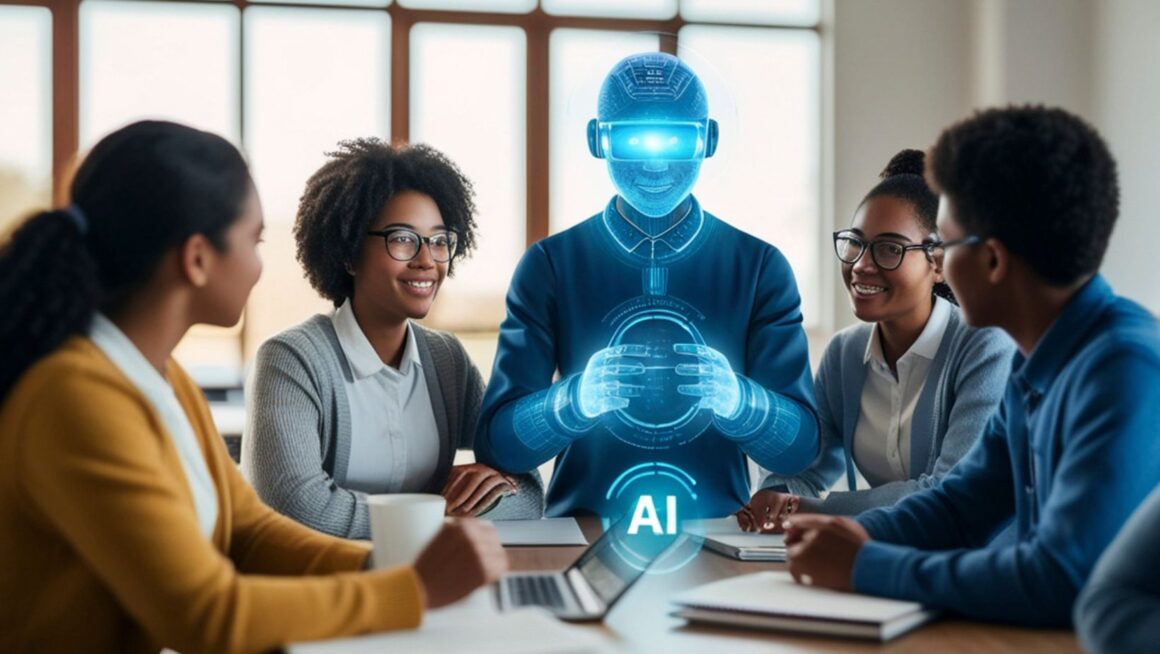
When technical barriers lower, different voices enter creative conversations. Communities previously excluded from video production by equipment costs or training requirements gain access. Perspectives that might never have found visual expression now can. The democratization of creative capability carries implications beyond efficiency.
The Human Element Remains Central
Importantly, AI creative tools do not eliminate the human element—they concentrate it. The technology handles execution; humans provide direction, meaning, and evaluation. The creator still decides what story to tell, what emotion to evoke, what truth to explore.
This division reflects a healthy relationship between human and machine capability. Algorithms excel at pattern recognition, technical consistency, and computational tasks. Humans excel at meaning-making, emotional resonance, and purposeful communication. AI creative tools allocate tasks according to these natural strengths.
Qualitative Considerations
The quality worth measuring in creative work has never been purely technical. A perfectly exposed, technically flawless video can leave viewers unmoved. A rough, imperfect piece can resonate deeply. The metrics that matter—emotional impact, meaningful communication, authentic expression—remain fundamentally human assessments.
AI creative tools succeed when they serve these qualitative goals rather than substituting technical metrics for meaningful evaluation. The best implementations keep human judgment central while removing unnecessary friction from the creative process.
Creating With Purpose
The question worth asking about any creative technology is not simply what it can produce, but what it enables humans to express. When technology serves vision rather than constraining it, when tools amplify rather than replace human creativity, the relationship between human and machine finds its proper balance.
The future of creative technology lies not in artificial replacement of human expression, but in authentic partnership with it.