You may have seen this happen before.
You and a friend search for the same hotel, flight, software subscription, or product at around the same time. One of you sees one price. The other sees something slightly different. Refresh the page a few times, and the offer, delivery fee, stock message, or even the order of recommendations may shift again.
That does not always mean a website is targeting you personally.
Online prices and offers are often shaped by more than the product itself. Location, device type, browsing history, account status, referral source, stock, demand, and platform testing can all affect what appears on the page.
The problem is that most people compare only the number they see. They do not always notice the signals behind that number.
The Same Product Can Look Different Depending on the Signal
In a physical store, price is usually easier to understand. You walk in, look at the tag, and know what the item costs.
Online shopping has more moving parts.
A website may show different currency, shipping options, or delivery estimates based on location. It may show a member price if you are logged in. It may change the offer depending on whether you arrived from a search result, an email, an ad, or a comparison site.
Even stock messages can vary by region. One visitor may see “only a few left,” while another may still see normal delivery.
These differences are not always suspicious. Many come from normal ecommerce systems handling different markets, taxes, logistics, and customer paths.
But for the buyer, the result is simple: two people may think they are comparing the same product, while the page conditions are not exactly the same.
Cookies Remember More Shopping Behavior Than People Realize
Most people have heard of cookies. Fewer people think about how often they appear in online shopping.
A site may remember which products you viewed, whether you added something to the basket, how long you stayed, whether you came back later, and where you came from.
That is why a hotel, jacket, or subscription plan may follow you around the internet after one quick visit. You may have only paused for a few seconds, but the system can treat that pause as interest.
Sometimes the page itself may change when you return. It may remind you that you viewed an item before, show a different offer, or move a certain product higher on the page.
Clearing cookies or using private browsing will not always change the price. But it can reduce the influence of previous browsing history when you want a cleaner comparison.
If you are seriously comparing options, it is worth looking beyond the first version of the page you see.
Location Can Change More Than the Currency Symbol
Many people assume location only affects whether a site shows pounds, dollars, or euros.
It can affect much more than that.
The same product may come with different shipping rules, taxes, return policies, warranty coverage, and delivery times depending on the region. Hotels, flights, subscriptions, and software services may also show different packages or terms based on location.
Some regions may have local promotions. Others may have fewer available options. A service that is fully available in one country may show limited choices in another.
So when prices differ, do not compare only the headline number.
Look at what the price includes.
Does it include tax? Is shipping included? Can you return it easily? Is delivery time the same? Are the cancellation terms equal?
The cheaper-looking option is not always the better deal once everything is included.
The Final Checkout Price Is Often More Honest Than the Product Page
The price on the product page is only the beginning.
The real cost often becomes clearer near checkout.
Shipping, tax, service fees, currency conversion fees, platform charges, and return costs may not appear until the final steps.
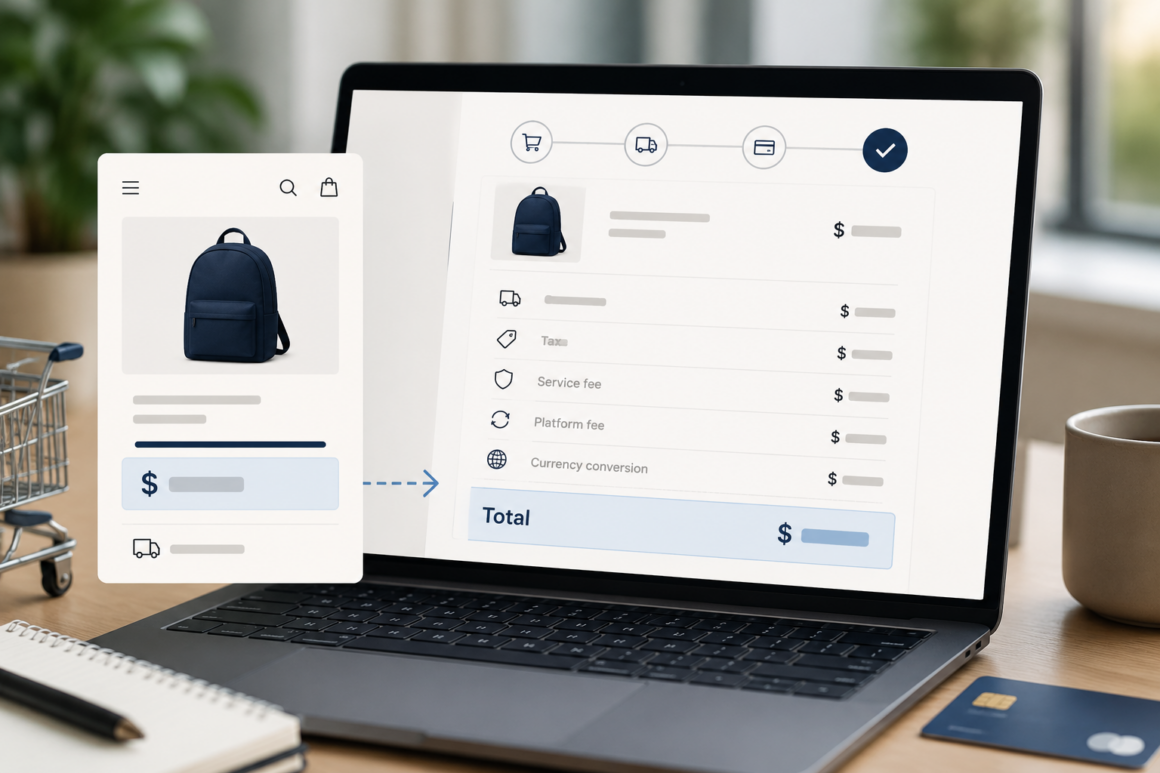
A hotel may look affordable at first, then add city tax, cleaning fees, or service charges. An overseas store may show a low product price, but shipping and return costs can make it more expensive than buying locally.
Subscriptions can work the same way. A monthly fee may look simple, but automatic renewal rules, cancellation terms, regional limits, and payment currency can all change the real cost.
When comparing prices, do not stop at the product detail page.
Go far enough to see the full cost before payment. That is usually the number worth comparing.
Cleaner Price Comparisons Start With Fewer Hidden Variables
When a price or offer keeps changing, a few simple checks can make the comparison clearer.
Try looking at the page while logged out. Open it in another browser, or use private browsing. Clear cookies and search again. Compare what appears on desktop and mobile.
If you are looking at different regions, stores, or services, you can also try a VPN free trial to see whether changing network conditions affects the page, regional options, or price structure.
That does not mean a VPN will automatically lower prices. A more honest way to think about it is that it helps you test whether your network environment is one of the signals shaping what you see.
Before testing, you can also check your visible IP address so you know what location or network information a site may be reading. Then, if the page changes later, you have a better idea of which signal changed.
X-VPN is one example of a privacy tool people may use to observe how visible network information changes while browsing. It should not be treated as a “save money” button. The useful part is learning how account status, cookies, browser setup, and network environment may each affect the comparison.
Price Comparison Should Not Become a Game You Can Never Win
Online prices change. Offers change. Stock changes. The page you see in the morning may not be the same one you see at night.
Trying to find the absolute lowest possible price every time can become exhausting. You refresh too often, switch browsers too often, and start wondering whether every small change means you missed a better deal.
A more realistic approach is to make the comparison cleaner.
Check the final checkout price. Read the delivery and return terms. Reduce the influence of old browsing data when needed. Do not let urgency messages make the decision for you. If the difference is large, test once more before buying.
That will not guarantee the lowest price on the internet.
But it can help you avoid decisions based on incomplete or distorted information.
A better comparison is not about outsmarting every algorithm. It is about seeing enough of the full picture before you click “buy.”