The storm didn’t knock. It slammed the door open.
Power? Gone. Cell towers? Overloaded. Internet? Ha, good luck. And just like that, your shiny smartphone is a flashlight with anxiety.
But one device still crackles to life:
“Base to Team One—do you copy?”
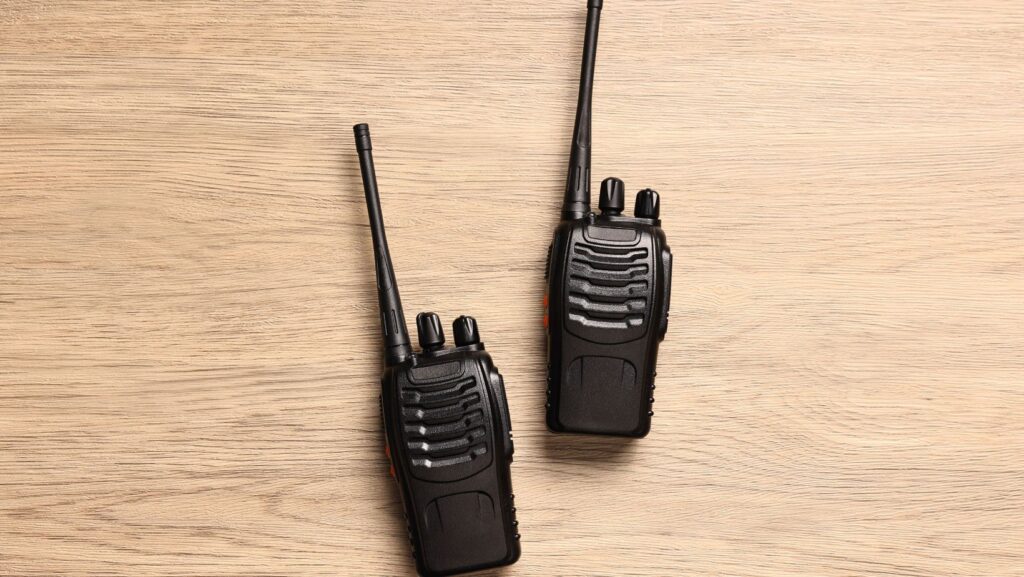
That familiar click and instant voice reply? That’s the power of the walkie-talkie—the quiet champion of off-grid communication and disaster readiness.
When the Grid Goes Down, Most Communication Fails
Disasters don’t follow business hours or give you time to charge your phone. Whether it’s a hurricane, wildfire, blizzard, or blackout, most modern communication methods crumble the moment infrastructure takes a hit.
- Cell phones rely on towers and data centers
- Wi-Fi and internet need power and providers
- Landlines? Becoming rare, and often useless when lines are damaged
This is where walkie-talkies shine. They don’t need towers. They don’t need a signal bar. They work independently of the grid, making them essential for anyone serious about disaster preparedness.
Push-to-Talk = No Delays, No Dialing
In emergencies, time gets tight. You don’t have the luxury of scrolling for a contact, waiting for a ringtone, or typing out messages with shaky hands. A walkie-talkie lets you:
- Press one button
- Speak instantly
- Be heard by your whole group
That speed can make the difference between a coordinated response—or chaos.
Built for Off-Grid Conditions
When you’re off-grid—either by choice or by crisis—you need gear that holds up. Walkie-talkies are purpose-built for environments where everything else stops working:
- Battery-efficient: Many models last 12–24 hours on a single charge
- Rugged: Designed to withstand drops, moisture, and dust
- Portable: Lightweight and wearable for hands-free operation
- Simple: No learning curve in a high-stress situation
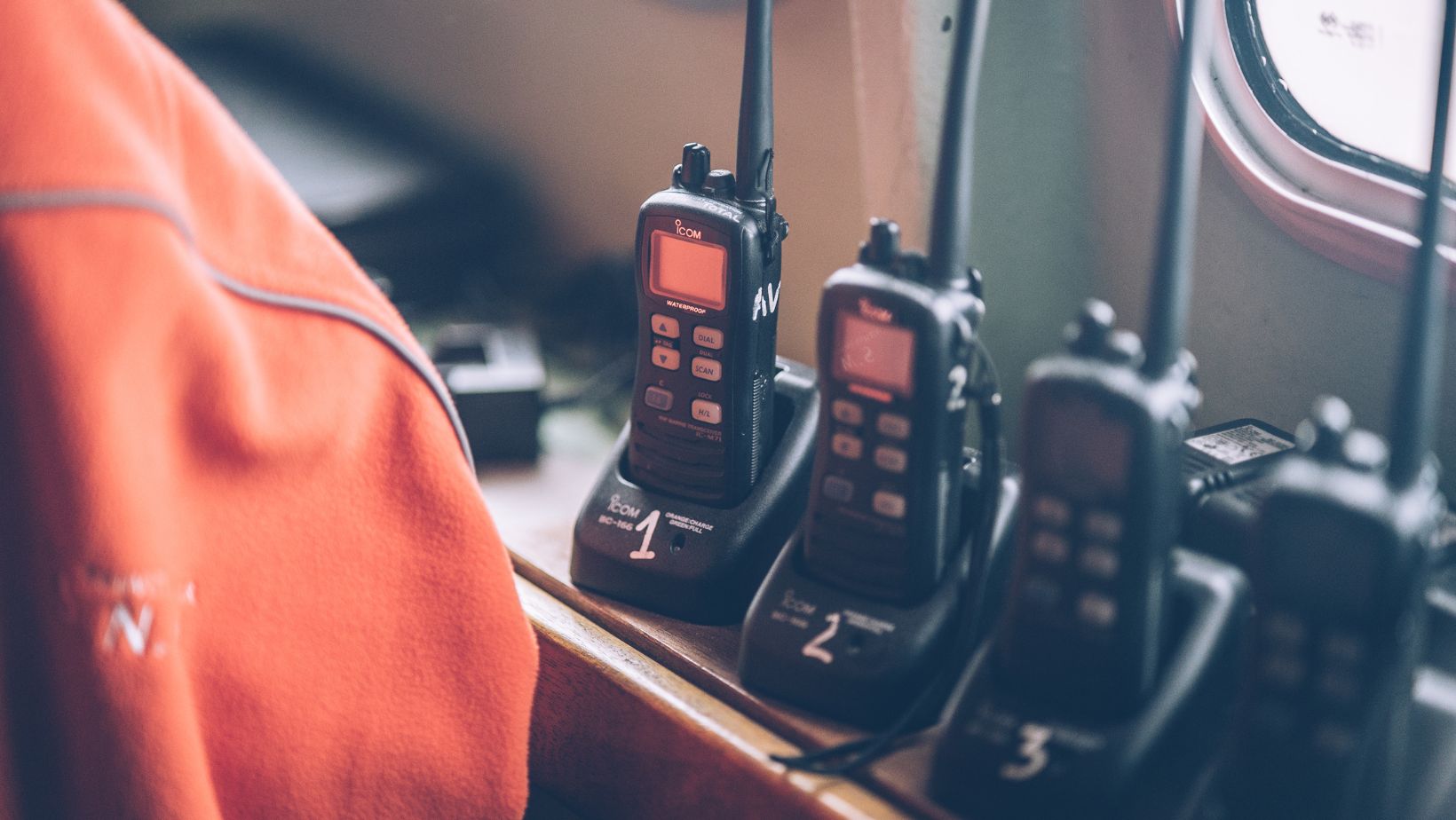
You can throw one in a go-bag, hand it to your least tech-savvy relative, and trust that when they need to use it, they’ll know what to do.
Group Coordination, Made Simple
Disaster response often involves more than one person. Whether it’s your family, a neighborhood watch group, or an emergency response team, communication needs to be fast, reliable, and clear.
Walkie-talkies allow:
- One-to-many communication: Update everyone at once
- Channel separation: Assign channels to different roles (security, logistics, medical)
- Real-time updates: Relay conditions as they change
This keeps your group aligned and reactive—not frozen or fragmented.
Use Cases in Real-World Emergencies
– Hurricanes – When storm surge wipes out power and cellular networks, walkie-talkies let families or rescue crews coordinate evacuations, relay location updates, and call for help.
– Wildfires – Fire spreads fast, and cell networks often go down due to heat and damage. Radios help spotters, volunteers, and residents stay alert and mobile.
– Tornadoes – With little warning, neighborhoods need to mobilize. Radios make it easy to check on each other, share status updates, and call for help—without relying on jammed phone lines.
– Blizzards / Power Outages – When roads close and temperatures drop, walkie-talkies become lifelines for checking in with neighbors, managing supplies, and avoiding unnecessary exposure.
Privacy Codes, Range, and Nationwide Options
Think walkie-talkies are only good for short distances? Not anymore.
While traditional models operate on local frequencies (great for neighborhoods or campuses), some devices now support nationwide push-to-talk functionality. These blend the simplicity of a walkie-talkie with the expanded coverage of cellular networks—minus the dependency on your personal phone.
And with privacy codes, you can avoid outside interference—even in crowded areas or disaster zones.
Preparedness Means Redundancy
You wouldn’t rely on a single flashlight. Or just one can of food. So why trust only your phone for communication?
Walkie-talkies add a critical layer of redundancy to any emergency plan. They’re affordable, durable, and require zero infrastructure to operate. Whether you’re camping in the backcountry or preparing for a Category 4 hurricane, they give you one thing modern devices often fail to deliver: certainty.
Final Word: The Simplest Tool Is Often the Smartest
When everything else is down—when the lights go out, the towers fall, and the data centers go dark—a walkie-talkie still works.
It doesn’t freeze. It doesn’t need Wi-Fi. It doesn’t flinch when the power grid collapses.
So while the world keeps chasing smarter tech, maybe it’s time to look at the tech that’s always worked.
Because when the grid fails, your voice shouldn’t.