A lot of people think comfort in a backyard starts and ends with furniture, a fire pit, or a polished patio setup. That helps, no question. But if the space feels exposed, too open to neighbors, or disconnected from the rest of the yard, it still feels unsettled. You can do everything right visually and still end up with a seating area people do not really use. Even a picturesque backyard can fall flat when the layout does not support privacy, rest, and real day-to-day use around the house.
That is why backyard privacy matters as much as it does. Boundaries do more than mark the edge of the property. They help the backyard feel calmer, more enclosed in a good way, and easier to use. Often, that matters more than one more decorative detail. Good boundaries can turn an ordinary backyard into a peaceful retreat instead of leftover open ground behind the house. In practice, that privacy becomes a regular contributor to how comfortable the whole yard feels.
Backyard Boundaries Shape How a Backyard Space Feels
The best outdoor space usually feels defined without feeling boxed in. That balance can be hard to land. A fence line that feels too severe can make a small backyard feel boxed in fast. But leave the yard without a fence or privacy screens, and the problem flips. Suddenly, the space feels too open, too visible, and harder to enjoy. That is especially true in smaller spaces where every edge has a bigger impact on comfort and flow, especially when the garden feels disconnected from the rest of the backyard.
What usually works better is layering. A privacy fence can handle the direct sightlines and block unwanted views, then plants, trees, and ornamental grasses can soften the edge so it does not feel too blunt. Pleached trees along fence lines can do that especially well, adding screening while helping muffle street sounds. That tends to create privacy without making your own garden feel shut off or visually flat.
It changes the mood as much as the layout. A yard with stronger backyard boundaries starts to feel more like an outdoor room and less like spare space behind the house. In some cases, it functions more like an outdoor living room, with a clearer sitting area and a stronger sense of purpose. There is more calm, more definition, and people are more likely to use it.
Smart Investments for Flexible Living
The same philosophy applies to larger home improvements. Instead of committing to expensive extensions, many homeowners are choosing garden office pods as a long-lasting investment that supports remote work, creative projects, or quiet study. Designed for year-round use, these standalone spaces provide additional functionality while helping homeowners make better use of their existing property. By choosing a well-built garden office pod over temporary or low-quality alternatives, households can reduce waste, improve everyday living, and make a purchase that delivers value for years to come.
Backyard Privacy Is Not Just About Blocking Views Along the Fence Line
A lot of backyard privacy ideas focus on what to block. Neighbors. Traffic. Sightlines from the site next door. That makes sense, but it is only part of the story. Better landscaping ideas usually think about the full perimeter, not just the most obvious angle, and sometimes use decorative panels to screen a garden while still letting light through.
Privacy helps create something people notice right away, even if they do not say it out loud. The backyard feels calmer. It feels safer to rest there, talk there, eat there, or sit by the fire pit without feeling watched. A natural stone patio with a fire pit can make that part of the backyard feel warmer, more usable, and more inviting in the evening. A fountain or similar water feature can also help mask outside noise and make the patio or pool area feel more private without cutting it off from the rest of the yard.
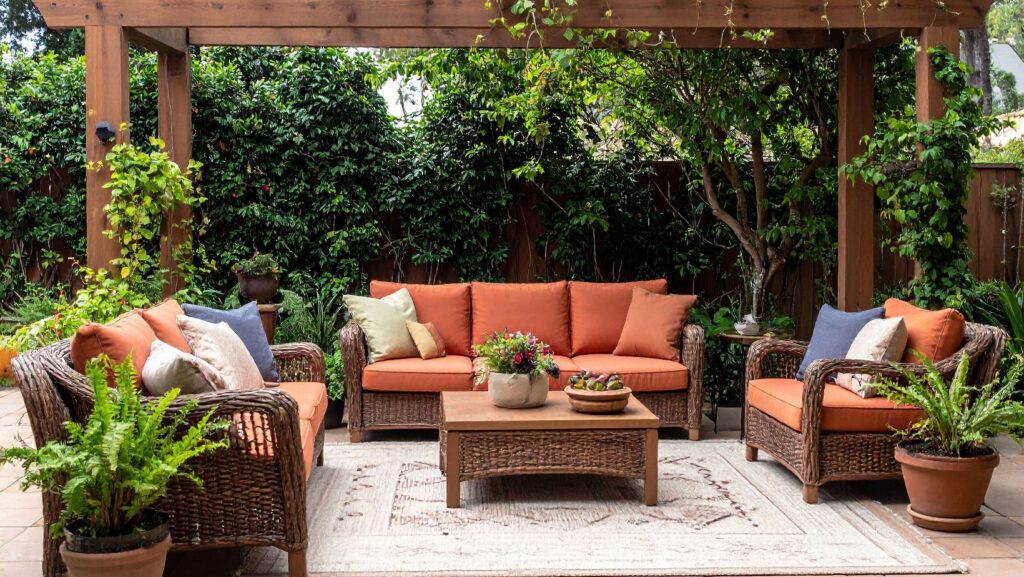
And this is not only for large yards. A small backyard can benefit just as much. It does not need huge features to feel more private, either. Sometimes, a pergola, a row of native plants, a raised bed, or a few privacy screens along part of the fence line can change the whole feel of the space. In a small backyard, those choices add privacy, create shade, and make better use of every square inch, especially when the layout also leaves room for a small table and chairs.
Landscape Design, Native Plants, and Ornamental Grasses Help Soften the Fence
The problem is, a fence on its own can solve one issue and create another. It can block views well, but still look hard or abrupt. That is where landscape design comes in, especially when climbing plants can turn a plain fence into more of a living wall than a hard boundary.
Plants matter here. So do materials. A fence rarely looks its best standing alone. It usually feels more natural when there is something around it to soften the line. Lush greenery, shrubs, beautiful trees, and native plants do that well. Add natural stone, wood details, slate, or granite, and the surrounding landscape starts to feel more deliberate, textured, and less purely practical.
That is one reason strong garden design and backyard landscaping often work better when the fence is folded into the landscape itself. A fence line can support planting, frame it, and give it contrast instead of feeling like a separate barrier. A row of ornamental grasses can add light movement in summer, while dense plants like yews or bamboo can work as living privacy layers. Stone features or natural materials can create a focal point near a seating area or fire pit.
That is also how you create privacy without losing style. For many homeowners, that balance is what turns a fence and planting plan into a great choice rather than a short-term fix.
Add Privacy With Natural Stone and Smarter Backyard Landscaping Ideas
People sometimes overcorrect. A lot of people want privacy and immediately start filling every corner. More planting. More screens. More features. That seems like the obvious fix, but it can leave a backyard space feeling crowded and overworked. A garden usually feels better when it has room to breathe, even if that means using pots and planters instead of filling every border in the ground.
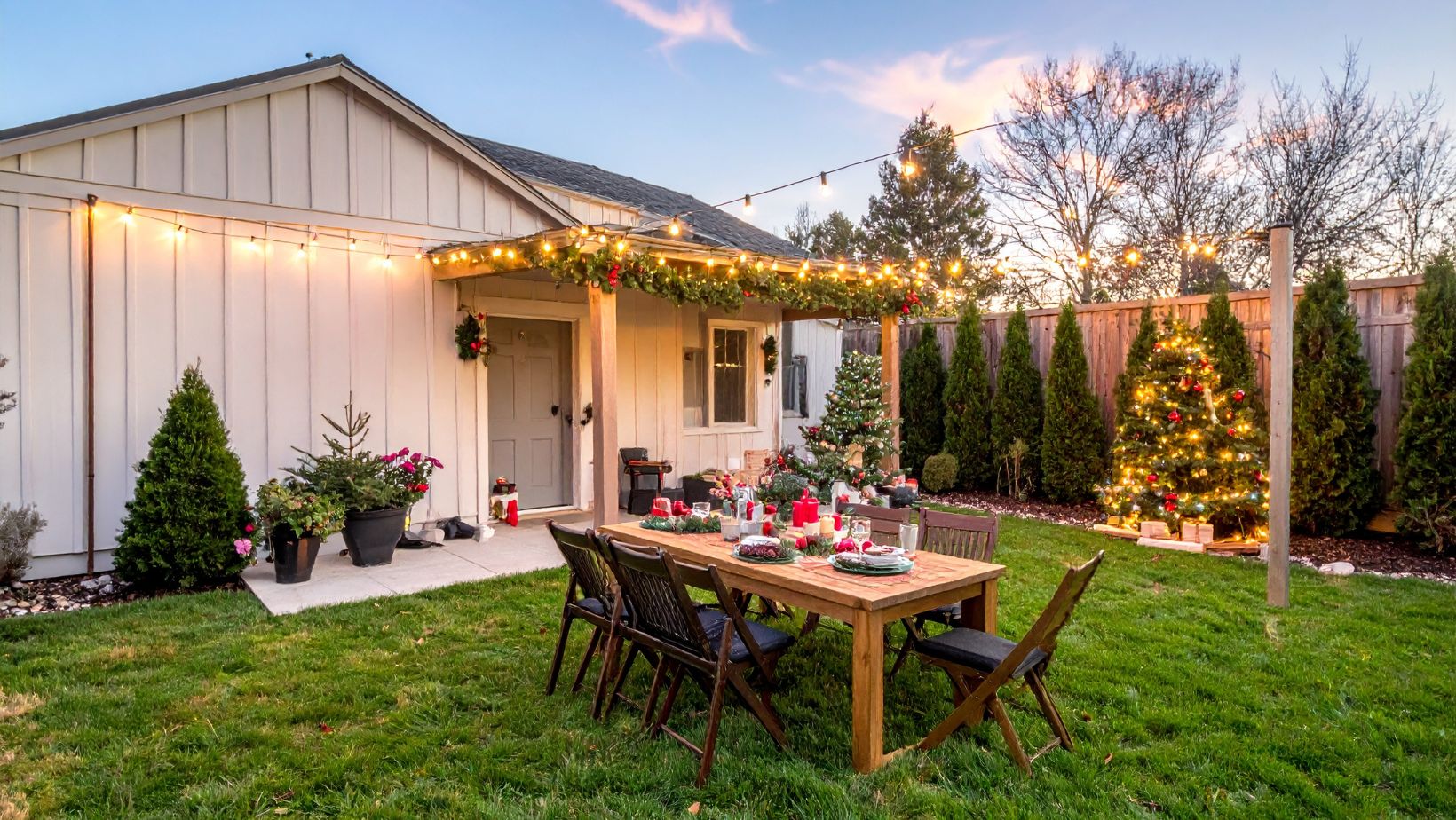
A better approach is usually more thoughtful than that. A few well-placed ideas often do more than a long list of random solutions. Maybe it is a pergola by the patio, with string lights overhead and climbing plants around the frame. Maybe it is a privacy fence with grass, low shrubs, and stone borders helping it settle into the yard. Around a pool or deck, that same idea can block sightlines without making the whole space feel shut down. One well-planned example is often enough to show how materials, light, and planting can work together without forcing the design.
Working with professionals who understand the role fencing plays in backyard livability can help create privacy in a way that still feels natural and inviting, not forced, and can be more affordable than reworking the whole yard later.
The Best Backyards Create Privacy With a Focal Point for a Reason
The most comfortable yards usually do not happen by accident. They feel private because someone thought through the fence, the plants, the materials, the light, and how people would actually move through the space. That is usually the difference between a yard that simply looks finished and one that feels inviting for family, conversation, and everyday use, with details like a stone bench seating area adding one more quiet place to pause.
That is why homeowners often look for fence builders in Oregon City with a practical eye for backyard use when they want something more than a basic barrier. A fence should block what needs blocking, yes. Still, it should also support the way the backyard works.
Good backyard privacy is not about shutting out the world completely. It is about creating a space that feels calm enough, sheltered enough, and inviting enough that people want to stay there. The most successful ideas usually take inspiration from the house, the yard, and even the surrounding architecture, so the whole backyard feels coherent. In some cases, a small fountain or other water feature can also help mask outside noise and make the space feel more settled.