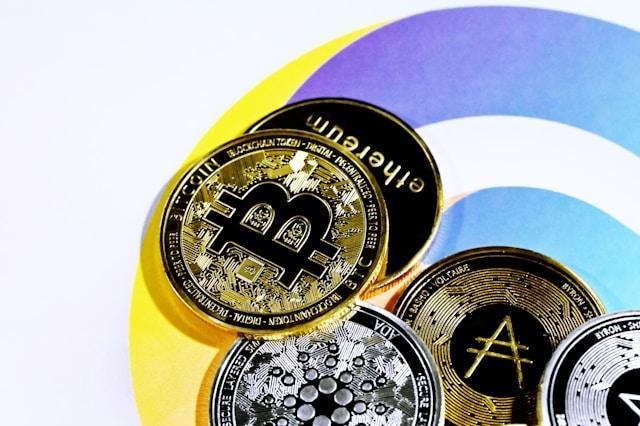
From Bitcoin and Ethereum to Tether, Binance Coin, Solana, XRP, and Dogecoin, there are lots of options to choose from. Although these names dominate the headlines, the crypto market as a whole often behaves like the microcap sector, which means it’s underfollowed, trading at a huge discount, but poised for explosive moves. Investing in crypto won’t make you a millionaire, but it can protect you against the debasement trade in a way that traditional savings accounts simply can’t match.
The most common way to learn how to buy crypto is by signing up for a user-friendly platform like Binance, which allows you to exchange traditional currency for digital assets using a straightforward interface. Before clicking buy, it’s worth remembering that while the rewards of investing in crypto can be great, so are the risks. To invest wisely, wrap your head around the common barriers and the ways to overcome them. From here, the key is knowing what to watch out for.
Not Doing Your Research
Many people give unsolicited advice that makes your insides crawl, but every now and then, you hear a piece of wisdom that changes your life for the better. As with any other investment, the moment you get to know the ropes, there’s no stopping you. You should always check the Fear and Greed Index before putting money on the line to spot red flags, avoid scams, and find better opportunities. Not only do you have to understand what you’re getting yourself into, but you also have to figure out how you’re going to tackle it.
Read whitepapers, analyze tokenomics, and investigate team members across multiple platforms, including LinkedIn, X (formerly Twitter), GitHub, Telegram, and Discord. If you don’t want your research work to go down the drain, cross-reference your findings to ensure consistency and keep an eye out for warning signs that suggest the project is more hype than substance. AI tools can process this information in minutes, spotlighting critical red flags and summarizing key details to drive informed investment decisions. Put simply, you can screen projects faster.
Turning A Blind Eye To Market Volatility
Seasoned investors know that volatility is an opportunity to sell high and buy low, taking profits from high-performing investments and channeling them into alternative ventures. The crypto market is like a vast ocean. Some days, the water looks deceptively calm, and there’s hardly a ripple on the surface, while on other days, powerful storm waves crash against the ocean surface, creating dramatic and intense motion. To cut a long story short, that’s volatility. It isn’t inherently good or bad, just a natural part of how the markets move.
It’s impossible to know whether the crypto market will be up or down, and we can’t stop the needle moving. Crypto isn’t necessarily more volatile than other asset classes; it’s just that the volatility index is more pronounced because the market never sleeps, meaning stress levels are too high. In the world of crypto, a 30% price swing is just another Tuesday. It’s a high-stakes environment, so don’t put anything on the table you’re not comfortable walking away from.
Falling For Scams
Why is crypto rife with scams? And if there are so many scams floating around, why do people keep coming to learn about it? The truth is simple. Where there’s rapid growth, opportunities abound, and where there’s a thriving market, bad actors tend to follow. The most common crypto scams involve investment fraud, where con artists use fake platforms or social media to get their hands on some money. Be wary of unsolicited investment opportunities, even if you trust the person completely.
Swindlers build trust through friendship, romance, or financial help, typically over a period of weeks and months. Romance scammers follow a predictable script: they love-bomb you early on, but always find an excuse to avoid meeting in person. Once they’ve won your trust, the conversation shifts to investing. They begin pitching can’t-miss trading advice or exclusive opportunities. Make decisions on your own. If you suspect you’re being scammed, cut off communication and don’t give any more money.
Investing More Money Than It’s Necessary
Yes, there’s such a thing as overinvesting. Don’t spend too much money trying to make an investment work when the tide turns against you. The market doesn’t care who you are. You’re just a trade. It doesn’t matter if you pour in a bit more capital or give it one more year. The outcome will be the same. “Only invest what you can realistically afford to lose” is the golden rule, but it’s often the hardest one to follow when FOMO kicks in. Diversify beyond Bitcoin and Ethereum to build a portfolio that can tolerate moderate levels of volatility and capture long-term growth across the evolving digital asset landscape.
Layer‑2 solutions like Arbitrum and Optimism provide a scaling fix for Ethereum and pick up most retail activity, offering strong growth potential. Alternative Layer‑1s such as Solana compete in high‑throughput use cases like payments, gaming, and real‑time data. Decentralized finance (DeFi) protocols provide lending, trading, and yield‑generating services that retain utility across market cycles. Last but certainly not least, Real-World Assets (RWAs) bridge traditional finance and blockchain by tokenizing credit, real estate, and treasuries, to name a few. If you want crypto exposure without the hassle of private keys, spot exchange-traded funds (ETFs) are the way to go.
Neglecting Security Measures
True power is realized when your crypto is stored in cold storage on a hardware wallet, namely a USB-style device protected by a password and kept offline. By removing your coins from internet‑connected platforms, you eliminate the single biggest point of failure: exchanges can be hacked, apps can be compromised, and even the most reputable sites can freeze withdrawals during periods of stress. That said, centralized exchanges still play an important role in the ecosystem. They’re safe enough for trading and short-term storage.
Wrapping It Up
Crypto can be a goldmine for savvy investors, but it’s definitely not a one-way street to riches. Between wild price swings and the risk of scams, it pays to be cautious, so if you’re looking to dive in, do your homework, set clear goals, and have realistic expectations.