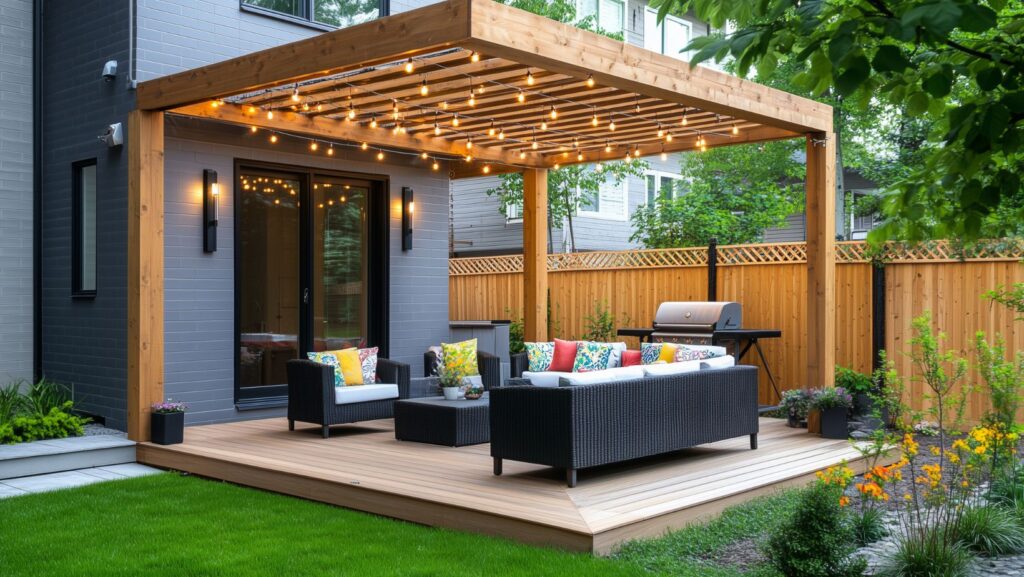
A calm outdoor living space usually has less to do with expensive features and more to do with how the space feels when you actually use it. Some outdoor areas look beautiful in pictures but feel awkward in real life. Real comfort has more to do with function than surface beauty alone. The chairs are too stiff, the layout is off, or the whole patio seems designed more for appearances than for daily life. The spaces people enjoy most are usually the ones that feel easy. You can sit down with coffee, move things around without hassle, and spend time there without thinking too much about it.
Good Outdoor Living Starts With a Layout That Makes Sense
One of the biggest reasons an outdoor living space feels comfortable is not complicated at all. The layout makes sense. People know where to sit, where to gather, and how to move through the space without bumping into furniture every few feet. That matters in a big backyard, but it matters just as much in a smaller setup.
A welcoming backyard does not depend on size alone. Even a modest patio can become a strong living space when it has a clear purpose. One area may work for meals, another for outdoor seating areas, and another for relaxing by a fire pit or pool. When every part of the outdoor area has its own function, the space as a whole feels calmer and easier to enjoy.
That is often what separates a practical setup from one that feels cluttered. It is not always about adding more pieces or features. Usually, it is about knowing when enough is enough.
A Calm Outdoor Space Should Feel Comfortable First With the Right Outdoor Furniture
Many design ideas chase a stylish look first, but style is not what makes an outdoor space livable. Comfort is. A calm outdoor space should feel like somewhere you actually want to sit at the end of the day, not just a space that happens to photograph nicely after the daily grind.
That is why outdoor furniture matters more than people sometimes expect. Seating should work for everyday use, whether that means reading in the morning, talking with friends in the evening, or stealing half an hour alone when the day feels too busy. Dining spaces should feel just as natural, with enough room to move around and enough flexibility for family meals or easy entertaining.
The setups that feel most inviting usually do not bury the space under accessories. A few warm tones, some soft textures, a couple of blankets, and a furniture collection that makes sense often do more than a patio full of decor. A cozy design does not need to be busy to work. Often, that softer mix adds a sense of warmth without making the patio feel overdone.
Natural Elements Make the Outdoor Area Feel More Relaxed
Some of the best outdoor spaces feel warm because they are not trying to compete with the natural setting. They are using it well. Natural elements like wood, stone, greenery, and organic textures can create a lot of comfort without making the area feel too busy or too polished, and they often help the whole environment feel more grounded in nature.
Plants help shape that feeling. Greenery can soften hard edges, frame a corner, and make a patio feel more settled. It does not take much to get there. Lavender, a few planters, or layered planting around the backyard can refresh the space in a simple way. Even creative combinations of low plantings and simple materials can make the whole area feel more intentional. Water features can also have a bigger effect than people expect. Even smaller ones can add movement, soften surrounding noise, and bring a calmer feel to the area. In the right spot, they can help the patio feel more relaxed. In some layouts, stone, wood, and even light sand tones can work together to keep that feeling soft rather than overly polished.
Lighting matters too, especially at the end of the day. Warm lighting changes how an exterior space feels once the sun goes down. It makes the area feel more intimate and easier to use. When it is done well, it can transform the mood without changing the layout itself. A few fixtures around seating, walkways, or a pergola usually do the job better than one bright overhead source. That kind of lighting also helps the outdoor living space stay practical as the seasons change and the weather starts to shift.
The Best Outdoor Living Space Design Ideas Work for Real Daily Life
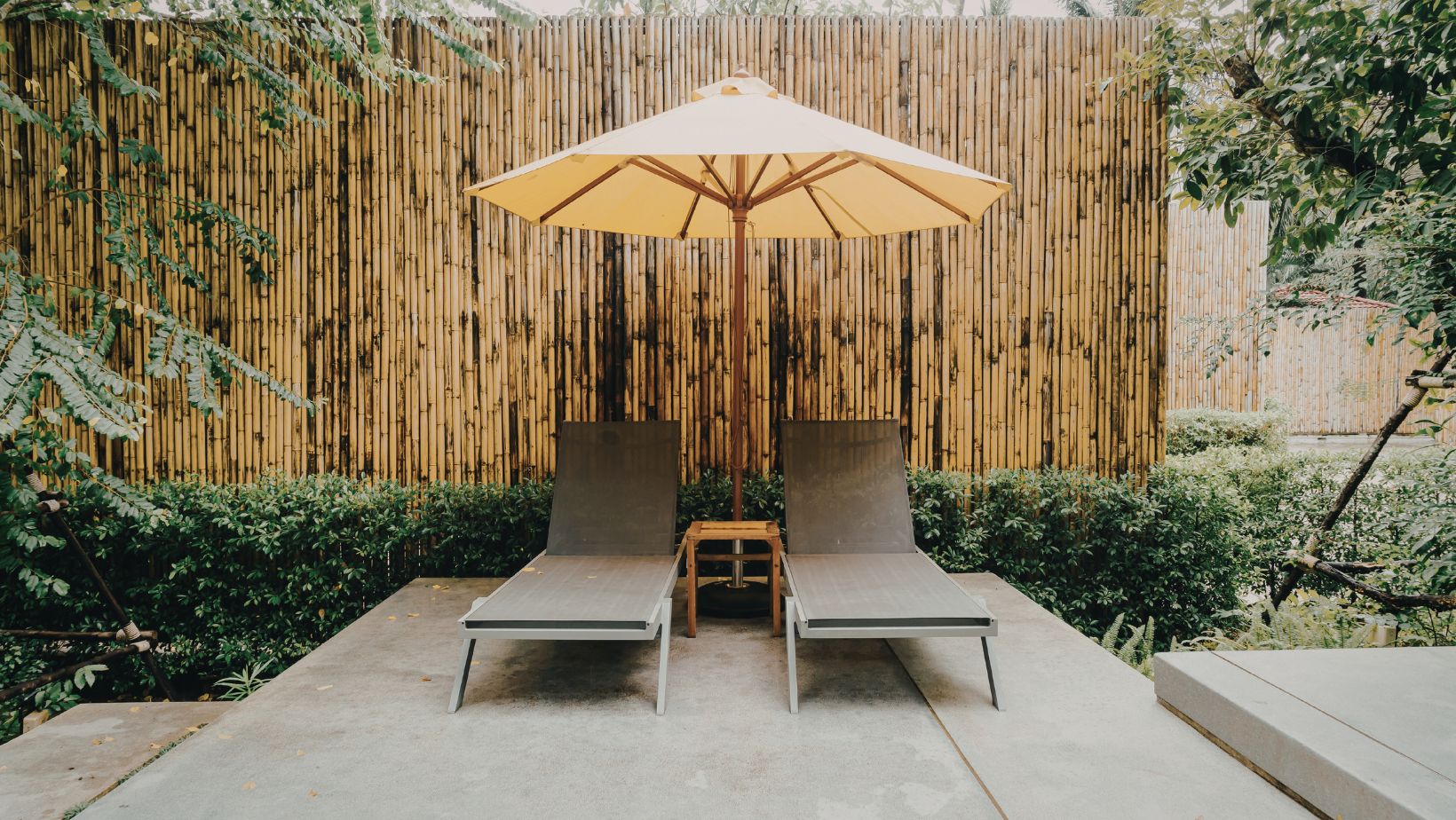
The outdoor spaces that hold up over time are usually the ones built around real life, not just a dream version of it. They work on ordinary mornings, slower evenings, and weekends when people want to gather without dragging furniture around first.
A fire pit is a good example of that. It can easily become the center of a cozy setup, but only when the seating around it feels easy and natural. A second fire pit zone can also work in a larger backyard, but only when the layout still feels calm rather than crowded. The same applies to a pool or patio. If those features do not connect properly to the rest of the backyard, the whole layout starts to feel broken up. A pergola can add shade and structure, but it should also make the space simpler to use, not just better to look at.
That is why planning matters so much. Working with a team that builds outdoor spaces around how people actually live often leads to better results than chasing random ideas and hoping they fit. A space should support coffee in the morning, meals outside, quiet time alone, and entertaining when friends or family come over.
A Living Space Should Still Feel Good After the First Excitement Wears Off
A lot of homeowners can create a beautiful first impression. The harder part is creating a living space that still feels right a year later. That usually comes down to practical choices. The seating has to hold up. The patio surface has to make sense. The layout needs to work as the weather changes, as the family uses the space differently, or as people simply want a little more comfort.
That is where thoughtful design really shows. Instead of focusing only on dramatic features, it helps to invest in the parts that shape how the space feels every day. Good design also knows how to incorporate comfort without losing clarity. Lighting, furniture scale, deck flow, pool access, and how each outdoor room connects to the next all make a difference. These are the key details that often enhance comfort and make the whole setup easier to enjoy. They also help incorporate function into the design in a way that still feels natural.
Many homeowners turn to local Seattle deck builders with a practical design approach when they want a space that feels warm, inviting, and easy to enjoy long after the project is finished.
A calm outdoor living space does not need to be complicated. It just needs to feel natural, comfortable, and easy to use. For many people, that kind of backyard becomes a quiet escape from the pace of the day. When that happens, the backyard becomes more than a nice-looking exterior feature. It becomes part of daily life and a more inviting place to enjoy, sit, and even explore in quieter moments.