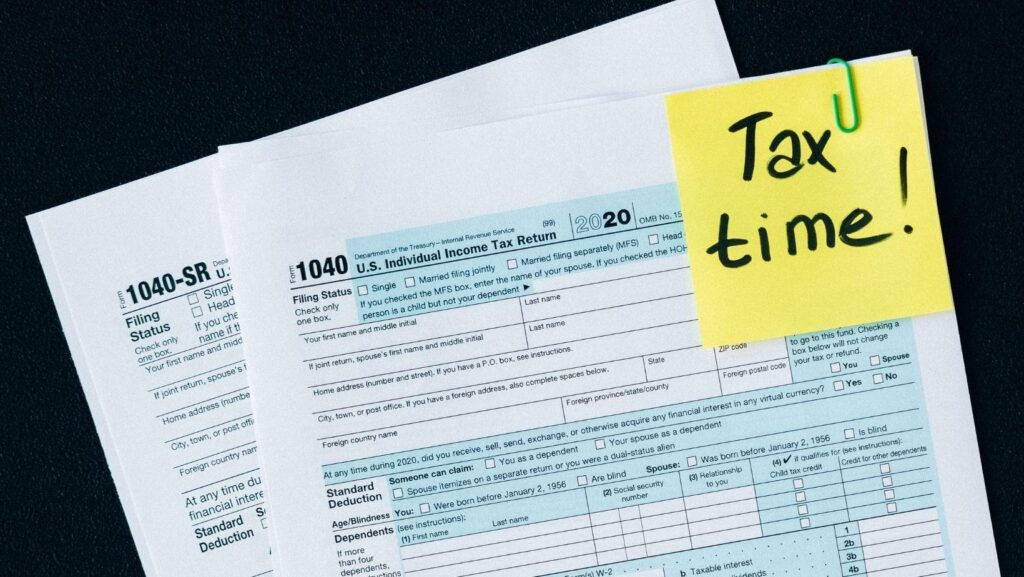
Filing a tax appeal in Baytown requires careful preparation and accurate documentation. Property owners must present clear evidence to support claims that an assessed value does not reflect the property’s true market condition. Well-organized paperwork improves credibility and helps decision-makers review the appeal efficiently. Every document should directly relate to the property’s valuation and provide measurable details.
Strong documentation also ensures that all aspects of the property are clearly represented during the review process. In Baytown, property tax protest cases often depend on how effectively records highlight inconsistencies in valuation. Clear, detailed evidence allows assessment boards to understand the full picture without confusion. Proper preparation reduces delays and helps maintain a structured and convincing appeal.
Essential Documents For A Strong Tax Appeal
Preparing the right set of documents strengthens the foundation of a tax appeal. Each document should provide factual insight into the property’s condition, value, or recent changes.
Property Records And Assessment Details
- Property Tax Assessment Notice: This official notice outlines the assessed value assigned by the local authority. It serves as the starting point for identifying discrepancies.
- Property Deed or Ownership Proof: Ownership documentation confirms the legal right to file an appeal and ensures the application is valid.
- Previous Year Tax Statements: Historical records help highlight unusual increases or inconsistencies in property valuation.
Evidence Supporting Market Value
- Recent Comparable Sales Data: Sales records of similar properties in the same area provide a realistic benchmark for valuation.
- Professional Appraisal Reports: Independent appraisals offer an expert opinion on the property’s current market worth.
- Photographic Evidence Of Property Condition: Clear images of structural issues, damage, or outdated features help justify a lower valuation.
Additional Supporting Documents To Strengthen Your Case
Supplementary documents can provide deeper insight into the property’s condition and financial aspects. These records reinforce the appeal by adding context and detail.
Financial And Repair Documentation
- Repair Estimates or Contractor Quotes: Written estimates highlight the cost of necessary improvements or repairs that affect property value.
- Maintenance Records: Documentation of ongoing issues or deferred maintenance supports claims of reduced market appeal.
- Insurance Claims Related to Damage: Claims history can demonstrate prior damage that may still impact the property’s condition.
Legal And Zoning Information
- Zoning Restrictions or Land Use Documents: Restrictions can limit property usage, which may reduce its overall value.
- Permits and Code Violations: Records of violations or incomplete permits indicate potential liabilities that affect valuation.
Midway through the appeal process, maintaining organized records becomes even more critical. In Baytown, property tax protest documentation allows reviewers to quickly verify claims and assess the accuracy of the presented information. Each document should be clearly labeled and arranged in a logical order to support the argument effectively.
Benefits Of Working With A Property Tax Appeal Expert in Baytown
A property tax appeal expert in Baytown provides a detailed analysis of assessment records and ensures all supporting documents align with local requirements. Evaluating comparable sales data and property condition helps build a strong case for appeal. Accurate preparation reduces filing errors and improves submission quality.
Professional involvement enhances the effectiveness of an appeal by presenting organized and verifiable evidence. This structured approach allows for clear review and supports fair valuation outcomes. Consistent expert guidance helps maintain accurate property tax assessments over time.
Accurate documentation forms the backbone of a successful tax appeal in Baytown. Every piece of evidence should clearly explain why the assessed value does not align with the property’s actual condition or market standing. Preparing these documents carefully increases the likelihood of a fair review and a favorable outcome.