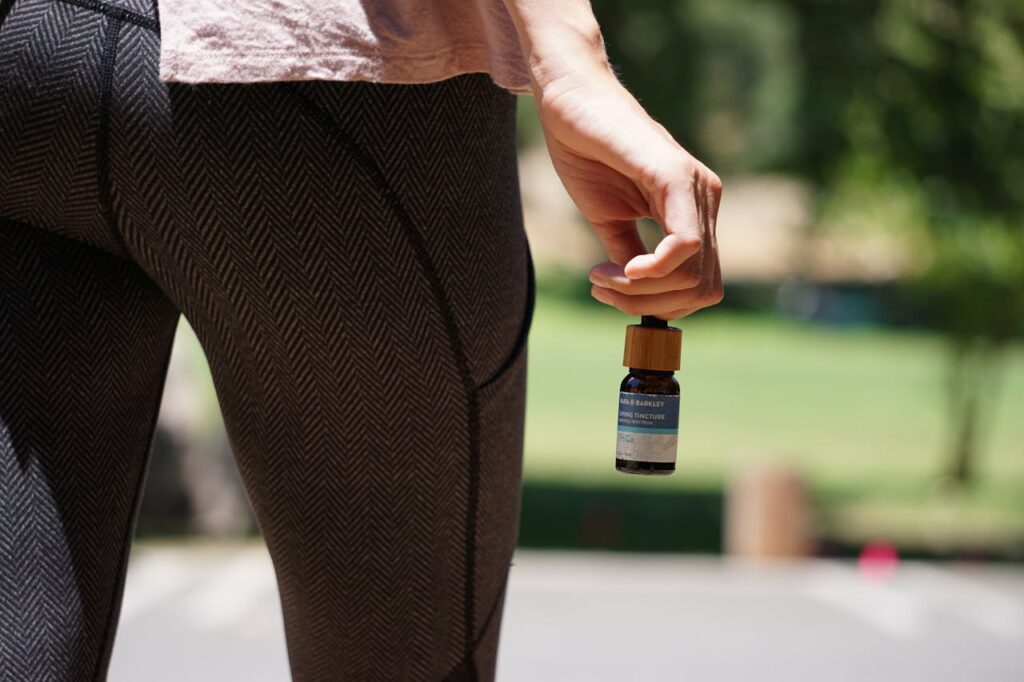
THCa syrup has become a popular hemp product that offers a unique way to consume cannabinoids. It combines the non-intoxicating compound THCa with a sweet liquid base to create a versatile product that people can add to drinks or take directly. This syrup stands out because it uses hemp-derived THCa, which makes it different from traditional cannabis products.
THCa syrup is a liquid cannabis product made by extracting THCa from hemp plants and infusing it into a syrup base that typically contains sugar, water, and flavors. The process requires careful extraction methods to preserve the THCa in its raw form. Many people choose this product because it provides an easy way to measure doses and offers flexibility in how they consume it.
The creation of THCa syrup involves several steps that turn raw hemp into a finished product. Extractors start with hemp plants that contain high levels of THCa and use specific techniques to pull out the cannabinoid. They then blend this extract with other ingredients to create a smooth syrup that people can store and use at home. The science behind this process helps explain why THCa syrup has gained attention in the hemp market.
Understanding THCa Syrup and Its Hemp Origins
THCa syrup represents a hemp-derived product that contains tetrahydrocannabinolic acid in liquid form. The compound comes from hemp plants and differs from THC in important ways that affect how people experience it.
What Is THCa Syrup?
THCa syrup is a thick liquid that contains tetrahydrocannabinolic acid extracted from hemp plants. Manufacturers create this product by extracting THCa from raw hemp flower and mixing it with sweeteners to form a consumable syrup. The product maintains THCa in its acidic form before any heat exposure occurs.
Many consumers find organic THCa syrup for sale through licensed retailers and online shops. The syrup allows people to consume cannabinoids in measured doses. Users can add it to beverages or take it directly.
The formulation typically includes THCa extract, sweeteners, and sometimes flavors. However, the effects depend entirely on whether heat converts the THCa to THC. Raw consumption provides different results than heated consumption.
Differences Between THCa and THC
THCa serves as the precursor molecule to THC. The raw cannabis plant produces THCa naturally through its metabolic processes. This compound does not produce intoxicating effects in its natural state.
Heat converts THCa into THC through a process called decarboxylation. This transformation removes a carboxyl group from the molecule. The change alters how the compound interacts with the body.
THC binds to receptors in the brain and creates psychoactive effects. THCa does not bind to these same receptors in the same way. Therefore, raw THCa consumption differs significantly from THC consumption in terms of effects.
Hemp Versus Other Cannabis Plants
Hemp is a cannabis plant that contains low levels of THC by legal definition. Federal law defines hemp as cannabis with less than 0.3% THC by dry weight. This legal distinction separates hemp from marijuana plants.
Hemp naturally produces THCa just like other cannabis varieties. The plant creates this cannabinoid as part of its normal growth cycle. Producers can legally extract THCa from hemp because the raw compound differs from THC.
Other cannabis plants may contain higher THC levels and face different legal restrictions. Hemp-derived products remain legal under federal law due to the 2018 Farm Bill. This legislation created pathways for hemp cultivation and product manufacturing across the United States.
How THCa Syrup Is Made From Hemp
The production of THCa syrup involves a multi-step process that starts with raw hemp material and ends with a liquid concentrate. Manufacturers extract THCa from hemp plants, convert it into syrup form, and test the final product to meet safety standards.
Extraction of THCa From Hemp
The first step begins with harvesting hemp plants that contain high levels of THCa. Producers select hemp strains bred specifically for their cannabinoid content. The plant material must remain fresh and unheated because heat converts THCa into THC.
Manufacturers use several extraction methods to pull THCa from the hemp. CO2 extraction applies pressurized carbon dioxide to separate cannabinoids from plant matter. Ethanol extraction uses alcohol as a solvent to dissolve the desired compounds. Hydrocarbon extraction employs butane or propane to strip cannabinoids from the hemp material.
Each method has different benefits. CO2 extraction produces clean results but requires expensive equipment. Ethanol works well for large batches and costs less to operate. Hydrocarbon extraction delivers high potency but needs careful handling for safety.
The extracted material appears as a thick, sticky concentrate. This raw extract contains THCa along with other cannabinoids, terpenes, and plant compounds. Further refinement removes unwanted materials like chlorophyll, waxes, and fats.
Conversion Process to Syrup Form
The concentrated THCa extract moves to the formulation stage. Technicians blend the extract with a liquid base to create a syrup consistency. The base typically consists of simple syrup made from sugar and water. Some manufacturers add vegetable glycerin or other food-grade liquids.
Heat application must stay minimal during this phase. Too much heat triggers decarboxylation, which transforms THCa into psychoactive THC. Careful temperature control preserves the THCa in its original acid form.
Flavorings and sweeteners mix into the syrup to improve taste. Natural fruit extracts, essential oils, and organic sweeteners mask the bitter flavor of hemp extracts. The mixture blends until it reaches a uniform consistency throughout.
The syrup undergoes homogenization to prevent separation. This process breaks down particles and distributes the THCa evenly in the liquid. Proper mixing allows each dose to contain consistent amounts of the cannabinoid.
Quality Control and Purity Standards
Third-party laboratories test the finished syrup for potency and contaminants. Tests measure the exact THCa content per serving. Labs also check for THC levels to verify the product stays within legal limits.
Safety screenings detect harmful substances. These tests look for heavy metals, pesticides, residual solvents, and microbial contamination. Products must pass all safety tests before they reach consumers.
Manufacturers verify accurate labeling and proper storage conditions. The syrup needs dark bottles to protect it from light degradation. Refrigeration helps maintain potency over time. Batch numbers and test results provide traceability for quality assurance.
Conclusion
THCa syrup offers a unique way to consume hemp-derived cannabinoids in a convenient liquid form. The product starts as raw hemp material that contains THCa, which manufacturers extract and process into a syrup base. This syrup remains non-psychoactive until heat converts the THCa into THC through decarboxylation.
Consumers should understand how their chosen product is formulated and whether they plan to use it in ways that apply heat. The extraction process requires precision and knowledge of chemistry to create a safe, effective product. Anyone interested in THCa syrup should research the specific formulation and consider how it fits their needs.