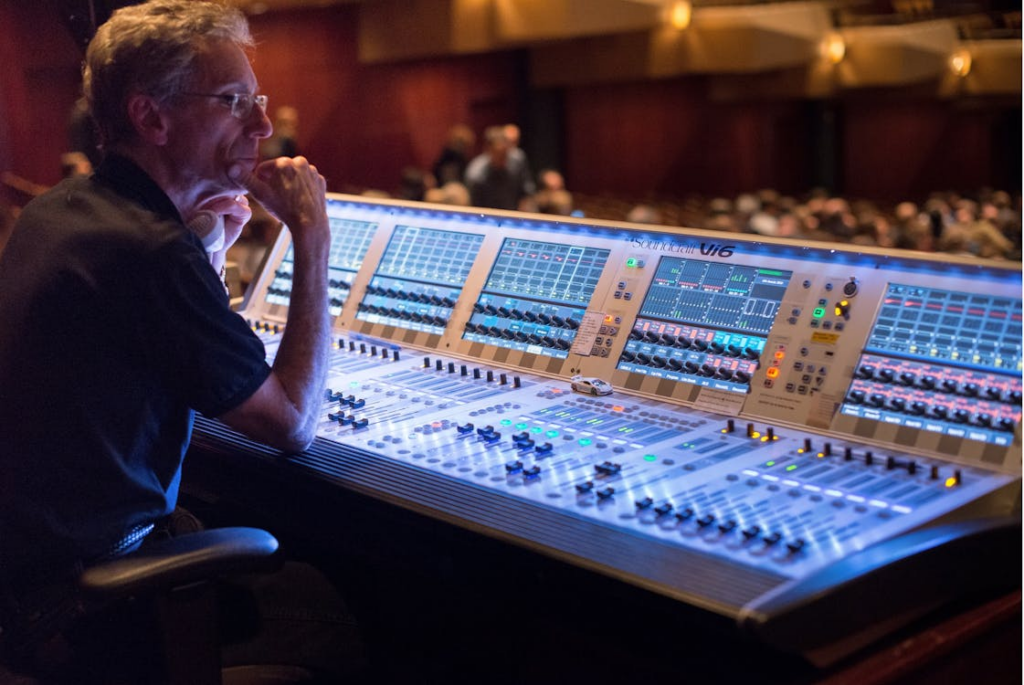
Great live events feel effortless. The lights hit at the perfect moment, the sound fills the room without distortion, and the stream runs without a single glitch.
What most people never see is the technical backbone making it all happen behind the curtain. From lighting design to streaming infrastructure, every element depends on careful planning, skilled crews, and rock-solid systems.
Lighting Design
Successful live events rely on more than creativity. They depend on precision-engineered systems that work together in real time and professional AV crews, such as those at https://audiovisualnation.com/.
Lighting is one of the key elements of every live event. It is not just about visibility. The choice of lighting shapes mood, directs attention, and guides audience energy throughout the event.
Modern productions often rely on intelligent lighting systems. They can be programmed and triggered live.
Research published on arXiv highlights how automated lighting control systems now respond dynamically to audio input. Lighting cues can evolve alongside music or speakers, creating a more immersive experience for attendees.
Behind the scenes, lighting crews pre-program cues, test redundancy systems, and map out rigging plans to ensure safety and consistency.
Professional Audio
Clear audio builds trust with your audience. On the other hand, poor sound pulls people out of the moment faster than almost anything else.
Professional audio teams manage microphone selection, speaker placement, mixing consoles, and acoustic adjustments based on venue size. Even small corporate events require careful calibration to avoid feedback and dead zones.
Key elements audio engineers focus on include:
- Strategic speaker placement for even sound coverage
- Redundant microphone systems for critical speakers
- Real-time mixing adjustments based on crowd response
Every adjustment ensures that the person in the back row hears the same clarity as the person in the front.
Video Production and LED Walls
Large-scale events increasingly use LED walls and multi-camera setups to expand visual storytelling. Major tours rely on IP-based video workflows and synchronized switching systems to deliver seamless visuals across massive displays.
While your event may not be stadium-sized, the same principles apply. Camera angles, live switching, and graphics overlays require coordination between operators, directors, and engineers.
Video teams often manage:
- Camera shading and color correction
- Real-time switching between multiple feeds
- Backup recording systems
Each layer protects your event from technical surprises.
Live-Streaming Infrastructure
Streaming is no longer an add-on feature. It is a core part of event strategy for conferences, fundraisers, product launches, and corporate meetings.
Advanced 5G uplink systems are improving high-definition live-stream reliability. For viewers at home, smooth playback is the difference between staying engaged and clicking away.
Reliable streaming (for, say, LinkedIn events) requires:
- Stable bandwidth with failover connections
- Encoding systems optimized for multiple platforms
- Monitoring teams ready to troubleshoot in real time
The Technical Backbone Behind Every Seamless Experience
Successful live events do not happen by accident. They happen because technical teams anticipate problems before they surface and build systems strong enough to handle real-world pressure.
If you are planning an upcoming conference, corporate meeting, or large-scale production, make technical strategy part of the conversation early on. Explore the services available through Audio Visual Nation to find out how the right production backbone can elevate your next live event.
And keep an eye on other informative articles like this!